


Painting best paint for cabinets is a cost-effective way to update your home. The right paint can transform your kitchen or bathroom, giving the space a fresh, modern look. With many options available, finding the best paint for cabinets can seem daunting. This guide covers cabinet paints, finishes, colors, preparation, and application tips to help you refresh your space with confidence and achieve a professional result.
Whether you’re planning to go bold with dramatic colors or prefer the timeless elegance of white or neutral shades, choosing the best paint for cabinets is about more than just picking a color. Durability, finish, and application method matter just as much as the final look. By the time you’re done reading, you’ll have all the knowledge you need to choose the right product and make your cabinet project a success.
Why Choosing the Best Paint for Cabinets Matters
Cabinets are high-traffic surfaces. Unlike walls, they endure constant touching, pulling, and cleaning. Using the wrong kind of paint can result in chips, stains, and peeling within weeks of your makeover. That’s why selecting the best paint for cabinets isn’t just about appearance—it’s about functionality and longevity.
The best cabinet paint is formulated to withstand heavy use, resist moisture, and clean easily. Kitchens, especially, are prone to grease splatters, spills, and humidity, so you need a paint that can handle tough conditions. Investing in high-quality paint up front not only saves you the headache of constant touch-ups but also ensures that your cabinets maintain their beauty for years.
The Qualities of the Best Paint for Cabinets
Before we dive into specific types of paint, it’s important to know what qualities make a paint truly cabinet-worthy. Not all paints are created equal, and the best paint for cabinets usually has a few key characteristics that set it apart.
First, durability is at the top of the list. The paint should resist scratches and chips even when exposed to daily wear and tear. Second, adhesion plays a huge role. Cabinets are often made of wood, MDF, or laminate, so you need a paint that sticks properly to different surfaces. Finally, the finish matters a lot—whether you prefer a satin, semi-gloss, or gloss look, the right finish will protect your cabinets while enhancing their appearance. These qualities ensure your hard work pays off with a flawless, long-lasting result.
Oil-Based Paint vs. Water-Based Paint for Cabinets
When choosing the best paint for cabinets, one of the biggest debates is between oil-based and water-based options. Each has its pros and cons, and the right choice often comes down to your personal priorities and the specific needs of your space.
Oil-based paint has long been considered the gold standard for cabinets. It levels out beautifully, leaving a smooth finish without brush marks. It’s also incredibly durable and resistant to stains. However, it takes longer to dry, has a stronger odor, and requires solvents like mineral spirits for cleanup. On the other hand, water-based paints—especially modern acrylic latex versions—have improved dramatically. They dry faster, are easier to clean up, and are much more eco-friendly. Many homeowners find that today’s high-quality water-based paints perform just as well as oil-based alternatives while being far more convenient to use.
Why Acrylic Paint Is Often the Best Paint for Cabinets
If there’s one type of paint that strikes the perfect balance for most DIYers, it’s acrylic latex paint. When labeled as cabinet or trim-specific, these paints are designed to hold up against frequent use while delivering a smooth, professional look. Acrylic paints are also flexible, meaning they won’t crack as wood expands and contracts with changes in temperature and humidity.
Another major reason acrylic paint is considered the best paint for cabinets is its low VOC formulation. This makes it safer to use indoors, especially in kitchens where strong odors can linger. Plus, water-based cleanup makes the process much easier for beginners. While oil-based paints still have their fans, acrylic latex has become the go-to choice for those wanting durability, ease of use, and excellent finish without the drawbacks.
The Role of Finish in the Best Paint for Cabinets
Beyond choosing the type of paint, deciding on the right finish is crucial. The finish determines not only how your cabinets look but also how well they resist dirt, stains, and fingerprints. When it comes to the best paint for cabinets, most experts recommend satin, semi-gloss, or gloss finishes.
Satin offers a subtle sheen that looks modern and smooth without being overly shiny. It’s easier to clean than flat paint, making it suitable for kitchens. Semi-gloss provides a brighter, more reflective surface that’s excellent for highlighting details on cabinet doors. Gloss, while less common for full cabinets, delivers a sleek, high-shine appearance that’s ultra-durable and perfect for statement pieces. Whichever you choose, remember that higher-sheen finishes typically last longer and are easier to maintain.
Preparing Your Cabinets for the Best Paint Results
Even the best paint for cabinets won’t stick properly if you skip prep work. Preparation is often the most time-consuming part of a cabinet painting project, but it’s absolutely necessary for professional-looking results. Start by removing doors, drawers, and hardware. Cleaning the surfaces with a degreaser is essential since kitchens often have invisible layers of oil buildup.
Next, sanding lightly will help create a smooth surface for the paint to grip. While you don’t always need to strip the cabinets completely, scuff sanding ensures better adhesion. Finally, applying a high-quality primer is a non-negotiable step. Primer not only blocks stains but also provides a base that allows the best paint for cabinets to perform at its peak. Skipping these steps may seem tempting, but they make all the difference in durability and finish.
Color Trends When Using the Best Paint for Cabinets
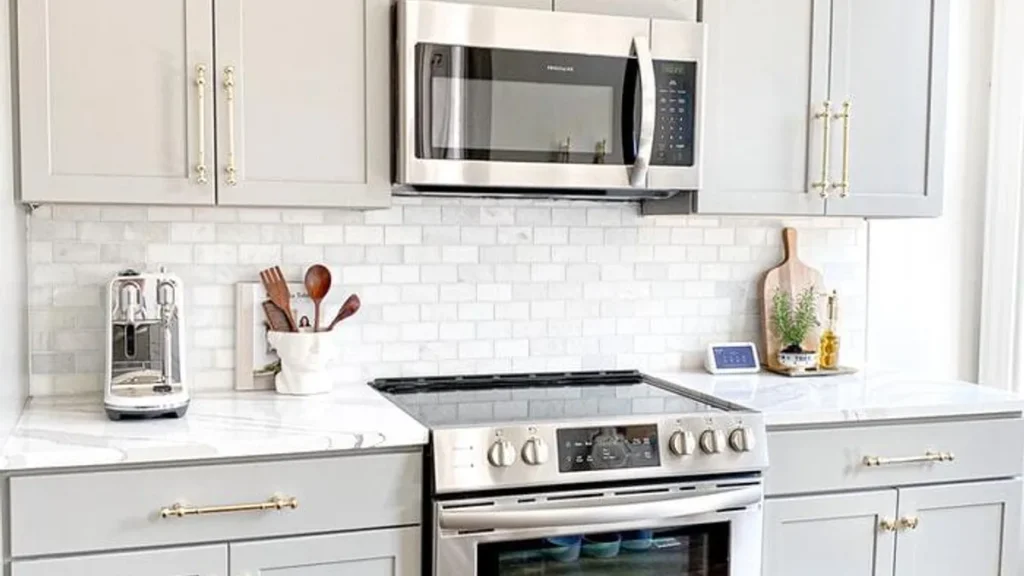
The beauty of painting cabinets is that you can completely change the vibe of your kitchen or bathroom just by updating the color. Neutral tones like white, cream, and soft gray remain timeless choices, making your space feel open and bright. These colors pair well with nearly any countertop or backsplash, which is why they’re often the most popular option when using the best paint for cabinets.
For homeowners who want something more adventurous, navy blues, forest greens, and even black have become increasingly trendy. These bold shades can add depth and character while making your cabinets stand out as a focal point. Warm, earthy tones are also gaining popularity, offering a cozy, inviting feel. No matter your choice, the best paint for cabinets allows you to experiment with colors while maintaining durability and quality.
Tools and Techniques for Applying the Best Paint for Cabinets
Applying paint to cabinets isn’t quite the same as rolling it onto walls. To get a flawless finish, the tools and techniques you use matter a great deal. Many professionals recommend spraying for the smoothest results, but a high-quality brush and roller combo can work just as well for DIY projects. The key is using fine-bristle brushes for detail work and foam rollers for flat surfaces.
Another technique to master is applying thin, even coats rather than trying to cover everything in one go. Patience is key, as multiple light coats of the best paint for cabinets will create a more durable and beautiful finish. Allowing proper drying time between coats is just as important, ensuring the paint cures correctly. With the right tools and techniques, your cabinets can look like they were refinished in a professional workshop.
Common Mistakes to Avoid When Using the Best Paint for Cabinets
Painting cabinets isn’t overly complicated, but there are a few mistakes that can ruin your results if you’re not careful. One of the most common issues is skipping the prep work—failing to clean, sand, or prime leads to peeling and chipping later. Another mistake is rushing through the project, which often results in uneven finishes and visible brush strokes.
Choosing the wrong type of paint is another pitfall. Not all paints are designed to handle the demands of kitchen cabinets, which is why selecting the best paint for cabinets is essential. Lastly, forgetting to label or organize cabinet doors and hardware can lead to frustration during reinstallation. Avoiding these mistakes saves time and ensures your project is worth the effort.
Long-Term Maintenance of Cabinets Painted with the Best Paint
Once you’ve invested the time and effort into painting your cabinets, you’ll want to keep them looking fresh for as long as possible. Fortunately, cabinets painted with the best paint are easier to maintain than you might think. Regular cleaning with a soft cloth and mild soap helps prevent the buildup of grease and grime without damaging the finish.
It’s also a good idea to avoid harsh chemicals or abrasive sponges that can wear down the paint over time. Small touch-ups can be done easily with leftover paint, ensuring scratches don’t turn into bigger issues. With the right care, your painted cabinets can stay vibrant and beautiful for years, making the effort completely worthwhile.
Final Thoughts on Choosing the Best Paint for Cabinets
Transforming your kitchen or bathroom with painted cabinets is one of the most effective ways to refresh your home. But the success of your project hinges on choosing the best paint for cabinets. From oil-based to acrylic latex, from satin to semi-gloss, and from classic whites to bold hues, the options allow you to customize your space while ensuring long-lasting durability.
The best cabinet paint is more than just a cosmetic upgrade—it’s a protective layer that helps your furniture withstand the test of time. By following the tips in this guide, preparing properly, and selecting the right product, you’ll be rewarded with a professional finish that makes your cabinets the highlight of your home.
Explore more exciting content a thttps://techstime.co.uk/
