mexican flowers is a country that speaks in colors and scents, and its heart speaks through the flowers that grow from its diverse lands. These magnificent blooms are more than just decorations; they are the living, breathing storytellers of a culture that is both ancient and incredibly vibrant. When people think about Mexican flowers, they often imagine the bright, fiery hues that seem to mirror the country’s passionate spirit. Yet, the variety and depth of Mexico’s native flora are staggering, ranging from sacred blooms used in ancient rituals to exotic, fragrant plants that have captivated gardeners worldwide.
The relationship between Mexico and its flowers is one of profound respect and deep connection. This bond dates back millennia, long before the arrival of European settlers, and it weaves through the very fabric of mexican flowers identity. Exploring the world of Mexican flowers is like taking a journey through history, art, and cuisine, all at once. We’re not just looking at pretty petals; we’re looking at symbols of life, death, rebirth, and celebration that have been cherished for generations. Whether you’re a seasoned horticulturist or simply someone who appreciates natural beauty, the sheer diversity of these blooms offers something truly special.
The Tapestry of Mexican Flora
One of the most remarkable aspects of Mexican flowers is their sheer diversity. Mexico is a country of incredible geographical contrasts, from arid deserts and high-altitude mountains to steamy jungles and coastal plains. This incredible variety of habitats has given rise to a botanical paradise. It is home to a staggering number of plant species, with estimates suggesting that it hosts a tenth of all known plant species in the world, and roughly half of these are endemic, meaning they are found nowhere else on Earth This makes the country a veritable treasure trove for botanists and garden lovers, featuring a spectacular array of flowers that have adapted to thrive in every possible condition.
When we talk about Mexican flowers, we are referencing a vast group that includes beloved garden favorites and rare, exotic specimens. Some of the most widely recognized types include the famous poinsettia, which is actually a native of Mexico, and the dahlia, which holds the prestigious title of the national flower. But the list goes far beyond these two icons. You have the striking Mexican sunflower, with its daisy-like blooms in fiery shades of red and orange; the delicate and beautiful Laelia orchid; and the fragrant, dark-velvet petals of the chocolate cosmos, which smell like cocoa. This incredible biodiversity ensures that the country is a riot of color and fragrance throughout the year, with different seasons bringing different floral masterpieces to the forefront
The Language of Flowers in Mexican Culture
To understand Mexico, you must understand the cultural significance of its flowers. They are not merely decorative elements; they are a form of communication, a way to honor deities and ancestors, and a fundamental part of daily life. In many mexican flowers homes, flowers are a staple, and their presence is a sign of warmth and hospitality. From the most humble abode to the grandest hacienda, you will find a vase filled with vibrant blooms, showcasing the enduring love for the natural world.
The connection to the spiritual realm is perhaps the most profound. Flowers were central to pre-Hispanic cultures like the Mexica, who used them in religious ceremonies, as offerings, and for medicinal purposes The feast of Tlaxochimoco, which translates to “the distribution of flowers,” is a testament to how deeply these plants were woven into ritual life Even today, this ancient reverence persists, most notably in the stunning altars and offerings of the Day of the Dead. Flowers serve as a bridge between the living and the dead, their vibrant colors and strong scents acting as a guide for souls returning home. It’s an ancient practice that continues to define a significant part of mexican flowers identity
Native Species from the Desert to the Jungle
The diverse landscapes of Mexico have given rise to flowers that can survive in some of the harshest conditions. In the arid deserts of the north, you’ll find hardy species like the yucca, with its striking rosettes of sharp leaves and towering spikes of white, bell-shaped flowers . The mexican flowers hat flower is another wonder, a drought-tolerant wildflower whose blooms resemble a sombrero, adding a playful touch to the dry landscapeThese plants have evolved to not only survive but flourish, providing bursts of incredible beauty in the unforgiving sun.
Venture into the cloud forests and jungles of the south, and you’ll find a completely different world. Here, humidity and warmth create a paradise for epiphytes like the Laelia orchid, which clings to trees and rocks, producing spectacular, fragrant flowers in shades of purple, white, and pink The Mexican frangipani, or Plumeria rubra, also thrives here, a small tree that produces waxy, intensely fragrant flowers. The contrast between these lush, tropical blooms and the hardy desert species perfectly illustrates why Mexican flowers are so fascinating—they are a reflection of the country’s spectacular and varied geography.
II. Cempasúchil: The Flor de Muertos
If there is one flower that stands as the ultimate symbol of Mexico, it is the cempasúchil, or Mexican marigold. This radiant, orange and yellow bloom is more than just a flower; it is a living link to the country’s pre-Hispanic past, a symbol of life and death, and the undisputed star of the most iconic mexican flowers holiday, Día de Muertos. Its name comes from the Nahuatl word “cempohualxochitl,” which roughly translates to “twenty flowers” or “many flowers,” a nod to its abundant petals Walking through a street market during the Day of the Dead, you are immediately captivated by the vibrant color and distinct, musky scent of this iconic bloom.
The sheer visual impact of the cempasúchil is impossible to ignore. Its petals create a brilliant carpet of yellow and orange, a color that the ancient Mexica associated with the sun. They believed that this flower guarded the warmth of the day and, with its potent fragrance, helped guide the spirits of the dead back to the world of the living This is why, during the Day of the Dead celebrations, the flowers are strewn to create pathways from the cemetery to the home altars. The cempasúchil’s role is to be a beacon of light and scent, ensuring the souls can find their way back for a brief, cherished reunion with their families.
Origins and Mythological Roots of the Marigold
The story of the cempasúchil begins long before the Spanish conquest. It is a flower deeply rooted in Mesoamerican mythology and was one of the most sacred and important plants for the Mexica and other indigenous cultures. The Florentine Codex, a 16th-century ethnographic research study in Mesoamerica, records its use, noting that it could be found growing wild or cultivated in gardens It was associated with the sun, a powerful and life-giving deity, and was used in a wide variety of ceremonies, both to honor the gods and to accompany the dead on their final journeys.
These ancient peoples saw the flower as a symbol of life, death, and the cyclical nature of existence. Its vibrant color, which appears at the end of the rainy season, was seen as a gift from the earth. The flowers were not just placed on graves; they were an integral part of complex death rituals. There are records of their use in the decoration of altars and burials, proving the flower’s primary role in the cult of the dead was well established by the time of the Aztec Empire. The cempasúchil has held this spiritual significance for thousands of years, carrying the weight of ancestral tradition into modern times.
How Cempasúchil Guides Souls Home
The most potent and beautiful tradition surrounding the cempasúchil is its role in guiding the souls of the departed. In modern Day of the Dead celebrations, the use of this flower is incredibly deliberate. A path of its petals is often created from the entrance of the home to the ofrenda, or offering, inside . This path of bright yellow and orange is believed to be a literal road for the spirit, illuminated by the vibrant color and the flower’s unique, pungent scent. It serves as a homing beacon, helping the spirits of loved ones navigate the transition from the afterlife back to their families.
The smell of the cempasúchil is just as vital as its color. The strong, earthy fragrance is thought to be powerful enough to cut through the distance between the worlds. On November 1st and 2nd, millions of these flowers are placed on graves and altars, their combined scent creating a welcoming atmosphere that is both reverent and celebratory. It’s a breathtaking display of faith and tradition, where a simple flower becomes a profound messenger of love and remembrance. For many families, this act of placing the petals is the most intimate part of the celebration, a tangible way to guide their ancestors home
The Cultural and Economic Impact in Mexico
The cempasúchil is not just a cultural icon; it’s a major agricultural product with a significant economic impact in Mexico. The demand for this flower is staggering, with thousands of tons grown and sold each year for the Day of the Dead season In 2023, for example, national production included over 2.3 million plants and more than 21,000 tons of the flower This massive industry sustains thousands of families, particularly in states like Puebla, which is a leading producer, accounting for the vast majority of the country’s supply mexican flowers
The economic activity generated by the cempasúchil is a vibrant and essential part of the autumnal season. Fields of bright orange and yellow cover the landscape in states like Guanajuato, Hidalgo, Michoacan, and the State of Mexico The harvest is a time of intense work and community, with producers and their families carefully cutting the blooms by hand to ensure they are perfect for the market. This annual event not only celebrates a tradition but also provides a vital source of income for rural communities, proving that culture and economy can beautifully intertwine
Varieties: More Than Just One Flower
It’s surprising to learn that the cempasúchil is not a single, uniform species but a category of flowers with impressive diversity. In Mexico, 35 different varieties of Tagetes erecta (the mexican flowers marigold) have been recorded from the 58 that exist worldwide These varieties are not just a single shade of orange; they range from intense, deep yellow to vibrant orange, red, and even white, with beautiful combinations of colors appearing on the same petals. These various strains are carefully cultivated and preserved by local producers.
Some of these varieties have names deeply rooted in the local communities where they are grown, such as Acuexcomac, Chapingo, Teotihuacan, and Tepoztlan . These names reflect the deep connection between the flower and the land, as these are local variants that have been passed down and perfected over generations. This remarkable genetic diversity ensures the survival of the flower and is a testament to the rich agricultural heritage of Mexico. Each variety has its own subtle differences in color, size, and fragrance, but all share the same powerful spiritual purpose
III. The National Flower and Beyond
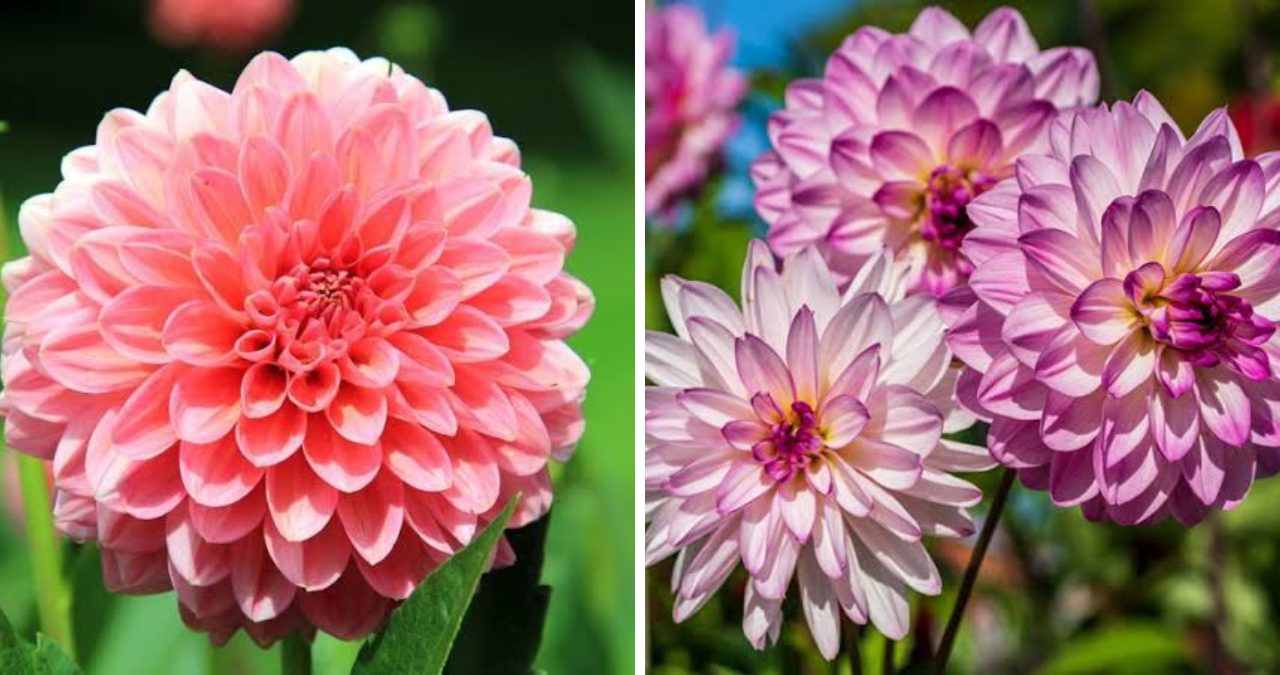
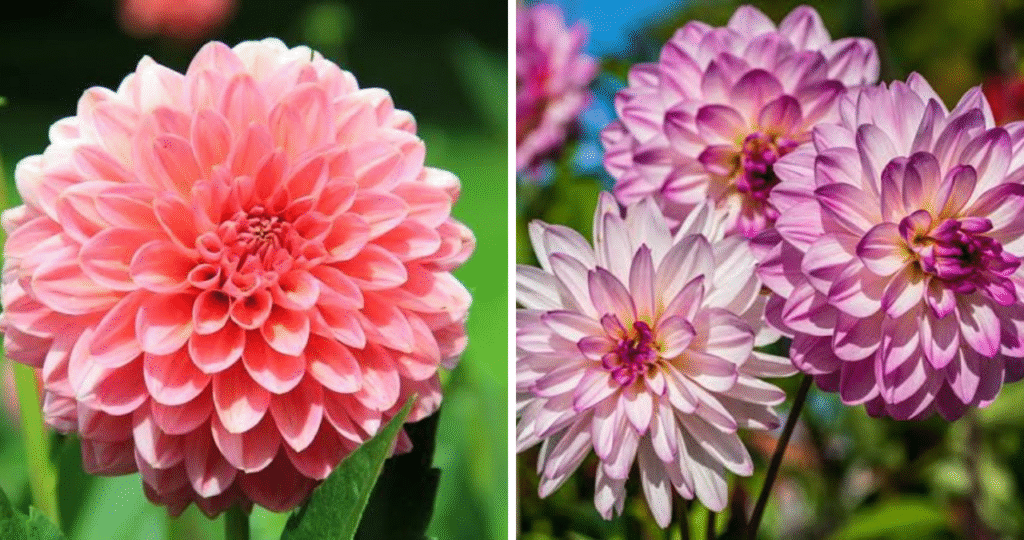
While the cempasúchil is the heart of mexican flowers spiritual life, the title of national flower belongs to the magnificent dahlia. This breathtaking bloom is celebrated for its incredible symmetry, its dizzying array of colors, and its unique geometric beauty. But beyond the dahlia, there is an entire world of flowers that are staples in gardens, festivals, and cuisines across the country, each adding to the vibrant tapestry of Mexican identity. These flowers are not just cultivated; they are cherished, representing everything from national pride to joyful celebrations.
Beyond the famous marigold and dahlia, Mexico is home to a plethora of other celebrated flowers. You have the vibrant poinsettia, a symbol of Christmas that originated here; the intoxicatingly fragrant Mexican frangipani; and the delicate and ephemeral morning glory, with its trumpet-shaped blooms that fade by the afternoon. These are the flowers that beautify the landscapes, from the carefully tended gardens in cities to the wild fields of the countryside. They are a testament to the country’s rich natural environment and the deep appreciation its people have for botanical beauty.
The Dahlia (Dalia): A Symbol of mexican flowers Pride
The dahlia is much more than just a pretty face; it is a symbol of national pride and cultural identity. Designated as Mexico’s national flower, it is a member of the Asteraceae family, which also includes sunflowers and daisies With over 20,000 species in this family, the dahlia has become one of the most popular and widely cultivated competition flowers globally, celebrated for its incredible variety. From small, delicate pom-poms to massive, plate-sized blooms, dahlias come in nearly every color imaginable except true blue.
The Aztecs were the first to cultivate dahlias, valuing them for their beauty and their practical uses. The tubers were used as a food source, and the flowers themselves held medicinal properties, often used to treat epilepsy When the Spanish arrived, the flower was collected and sent to Europe, where it was hybridized and became a sensation. Today, the dahlia is an enduring symbol of Mexico, representing a history of resilience, beauty, and a rich agricultural heritage. Its ability to bloom from mid-summer until the first frost, producing spectacular, long-stemmed flowers, makes it a favorite for florists and gardeners everywhere
Poinsettia: A Mexican Icon Wrapped in Christmas Tradition
It is a common global misconception that the poinsettia is just a winter holiday decoration, but it is, in fact, a native mexican flowers plant known as Euphorbia pulcherrima. In its native habitat, it can grow as a large shrub or small tree, reaching heights of up to ten feet The bright red, pink, or white “flowers” we see during the holidays are actually specialized leaves called bracts, which surround the plant’s tiny, inconspicuous yellow flowers The plant’s cultural and historical roots are deep in Mexico, where it is known by other names, including the “mexican flowers.”
Its connection to Christmas is a more recent development, but its natural beauty was not lost on the ancient Mexica, who used the plant for its red dye and for medicinal purposes. The plant’s modern association with the holiday season originated in the United States, but its place of origin is undeniably mexican flowers. Today, there are over 150 cultivated varieties of the poinsettia, with colors ranging from the classic cherry red to pink, white, orange, and even speckled or variegated This flower is a beautiful ambassador for Mexico, showcasing the country’s contribution to one of the most iconic symbols of global festive cheer.
A Closer Look at the Chocolate Cosmos
One of the most intriguing and sought-after Mexican flowers is the chocolate cosmos. A true marvel of nature, this flower produces velvety, dark crimson blooms that measure about two inches in diameter However, its most remarkable feature is its scent—it smells remarkably like chocolate, a fragrance that is delightful and surprising. It’s important to note, however, that despite its tempting aroma, the chocolate cosmos is not edible and is strictly an ornamental plant
This perennial herbaceous plant, native to Mexico, is quite rare and highly prized by gardeners for its beauty and unique scent It grows from a fleshy, tuberous root and blooms profusely from summer through fall, producing a stunning display of rich, dark burgundy flowers. The blossoms are highly attractive to bees, butterflies, and hummingbirds, adding another layer of appeal to this already captivating plant. Its rarity and unusual characteristics make it a standout among the already impressive variety of Mexican flowers, a hidden gem in a country full of floral treasures.
The Gentle Fragrance of the Frangipani
The mexican flowers, scientifically known as Plumeria rubra, is a sensory experience that encapsulates the tropics. Its waxy, five-petaled flowers, ranging in color from deep red to pink, yellow, and white, are renowned for their heavy, intoxicating fragrance, which becomes particularly potent in the evening While it is a native of Mexico, its beauty and scent have captivated the world, and it is now grown throughout the tropics and is famously associated with Hawaii. In Mexico, however, its origin is deeply authentic and tied to the country’s native flora.
This deciduous tree is often found planted around ancient temples and cemeteries in Mexico, tying it once again to the spiritual realm. Its flowers are incredibly long-lasting and are often used in leis, garlands, and as offerings. The tree thrives in warm, dry, frost-free climates and is relatively easy to grow in well-draining soil Its presence is a sign of warm weather and hospitality, and its sweet, floral perfume has the power to transport you to a sun-drenched paradise. It’s a reminder that Mexican flowers are not just for looking at but for experiencing with all your senses.
IV. Edible Wonders and Healing Power
The relationship between mexican flowers and their flowers is not just spiritual or aesthetic; it is also intensely practical. For centuries, the indigenous people of Mexico have known that many of their native flowers are not just beautiful, but nutritious and healing. This knowledge, which dates back to pre-Hispanic times, continues to be a vibrant part of traditional cuisine and medicine today. Unlike many Western cultures that use edible flowers merely as garnish, in Mexico, they are often a main ingredient, cooked into stews, soups, and traditional dishes.
This deep understanding of botany is a legacy of the ancient cultures of Mesoamerica. The Aztecs and other groups cultivated a wide variety of plants not just for their beauty but for their food and medicinal value. This has been well-documented in various historical texts and continues to be a subject of modern scientific research. Mexican flowers are typically rich in protein and bioactive compounds with significant antioxidant activity, offering substantial health benefits beyond their culinary delight
From Garden to Plate: Edible Flowers in Mexican Cuisine
In mexican flowers cuisine, flowers are not a novelty; they are a time-honored tradition. Unlike the common Western practice of using edible flowers like nasturtiums or pansies as delicate salad garnishes, Mexican cooking often treats flowers as a vegetable. They are typically boiled, grilled, or stewed, serving as a primary ingredient in many regional dishes This is a significant difference that highlights the deep integration of flowers into the country’s food culture.
Common edible flowers in Mexico include squash blossoms (flor de calabaza), which are a staple in many soups and quesadillas. Yucca flowers, with their mild flavor, are also cooked and eaten. The very same cempasúchil that decorates Day of the Dead altars is also used in cooking, particularly to flavor and color traditional dishes and even as a dye for textiles This practice shows that there is a profound appreciation for the versatility of these plants, a culinary resourcefulness that has been passed down for millennia.
Traditional Uses of Native Blooms in Healing
The healing power of Mexican flowers has been recognized and utilized for centuries. In traditional mexican flowers medicine, flowers are prepared as teas, tinctures, and poultices to treat a variety of ailments. The cempasúchil, for example, has been used for stomach pain, diarrhea, liver problems, indigestion, and vomiting It was also historically used for age-related eye diseases, showing the deep understanding of its medicinal properties. The Passion Flower is used in herbal medicine as a gentle, natural sedative to calm nerves and promote sleep.
This tradition of using flowers for healing was documented by the Aztecs and is an essential part of the country’s indigenous knowledge. The flowers’ bioactive compounds, many of which are potent antioxidants, are now being studied for their potential health benefits . This modern scientific validation of ancient practices reveals just how sophisticated the traditional knowledge was. The use of these floral remedies is not a forgotten art but a living tradition that continues to be practiced in homes and by traditional healers across Mexico.
Culinary Traditions: More Than Just Decoration
The culinary uses of Mexican flowers demonstrate a resourcefulness that is deeply embedded in the culture. In the Veracruz and Oaxaca regions, for instance, certain flowers are a regular part of the local diet. Cooks use the flavors to add depth and complexity to their dishes, understanding that a flower can bring a unique taste that no other vegetable can replicate. You will rarely find them using raw petals as a simple garnish, as the tradition is to cook and incorporate the blooms fully into the dish to create a satisfying and nourishing meal.
This approach to cooking highlights a broader philosophy of respect for nature and its offerings. The flowers are not wasted; they are harvested at their peak and prepared with care. This tradition is a cornerstone of mexican flowers cultural identity, a way to connect with the land and the ancestors. In a world of fast food and processed ingredients, the practice of cooking with flowers is a reminder of the simple, profound joy of eating something that is both delicious and deeply connected to the history and heritage of the country.
The Science Behind the Nutritional Value
Modern nutritional science is beginning to uncover what indigenous Mexicans have known for ages: their flowers are incredibly healthy. Studies on mexican flowers edible flowers have shown that they are rich in good-quality protein and are packed with bioactive compounds that have strong antioxidant activity These antioxidants are crucial because they help the body fight oxidative stress, which is linked to chronic diseases like heart disease, diabetes, and cancer. This makes the consumption of these flowers beneficial not just for taste but for overall health.
The research focuses on a variety of endemic flowers, including squash blossoms, coral tree flowers, and dahlias, confirming their high nutritional value The findings highlight the potential of these plants as a source of nutraceuticals—foods that provide health benefits. This growing body of scientific evidence is helping to popularize mexican flowers edible flowers in the international culinary scene, showing that their integration into the diet is not just a quaint tradition but a highly practical and beneficial health practice
V. Cultivating Mexican Flowers at Home
Bringing the vibrant spirit of Mexican flowers into your own garden can be a rewarding and transformative experience. These plants are often surprisingly hardy, making them excellent choices for both novice and expert gardeners. With their stunning colors, unique fragrances, and cultural significance, they can turn any outdoor space into a personal haven full of life and history. However, it’s important to understand the specific needs of each variety to ensure they thrive in your specific environment.
Whether you have a sprawling garden, a small urban balcony, or just a sunny windowsill, there is a Mexican flower that will suit your space. Many are well-suited for containers, while others can create spectacular ground cover or dramatic vertical statements as vines. By choosing the right plant for your setting and providing the correct care, you can create a miniature slice of Mexico in your own backyard, enjoying its beauty and cultural resonance all season long.
Best Varieties for Home Gardens
mexican flowers sunflowers are an absolute must-have for any sunny garden. These annuals are extremely easy to grow and will produce dozens of showy, daisy-like blooms in fiery shades of red, orange, and yellow from summer to fall They are drought-tolerant and can handle poor soil, making them a resilient and rewarding plant. Another excellent choice is the Mexican honeysuckle, a small, fuss-free shrub that blooms most of the year with bright orange, tubular flowers that are irresistible to hummingbirds
For those who love to garden in containers, the Mexican petunia and the chocolate cosmos are wonderful options. mexican flowers petunias are hardy, tolerate a range of conditions, and produce showy purple or pink blooms over a long season For its unique fragrance and beauty, the chocolate cosmos can be grown in pots on a sunny porch where its cocoa scent can be fully enjoyed. Pineapple sage is another great addition, valued for its bright red flowers and leaves that smell like pineapple when crushed, a lovely sensory experience for any garden
Garden Tips for Thriving Mexican Blooms
Successful gardening with Mexican flowers often means replicating their native conditions, which include plenty of sun and good drainage. Most of these plants, such as the Mexican sunflower and the poinsettia, thrive in full sun, needing at least six hours of direct light daily It’s also crucial to plant them in well-draining soil to prevent root rot, as many mexican flowers species are adapted to drier conditions and don’t like to have “wet feet.” When planting in the ground, amending the soil with sand or perlite can improve drainage.
Watering practices are another key to success. While many are drought-tolerant, they perform best when watered regularly but not excessively, allowing the soil to dry out somewhat between waterings. For example, the mexican flowers poppy and yucca are extremely hardy and can survive with minimal water, but others, like the passion flower, will need more consistent moisture Providing a good layer of mulch can help retain moisture and keep roots cool in warmer climates. Knowing the specific needs of your plant is the most important step.
Landscaping with Native Flora
Using native Mexican flowers in landscaping is an excellent way to create a garden that is both beautiful and environmentally sustainable. These plants are perfectly adapted to the local conditions of their native regions, which often include heat, drought, and poor soil. By incorporating them into your landscape, you can create a vibrant, low-maintenance garden that supports local pollinators like butterflies, bees, and hummingbirds. The bright colors of plants like the Mexican sunflower or the vibrant salvia are natural magnets for wildlife.
Consider using the towering, majestic dahlia as a focal point in a flower bed, or allow the vibrant cascades of the morning glory to climb a trellis or fence. The compact, shrub-like forms of plants like the mexican flowers heather or the dwarf varieties of bouvardia are perfect for creating colorful borders and edging. A yucca plant can add a dramatic, architectural element to a xeriscape garden. Landscaping with these native blooms is more than just a design choice; it’s a celebration of the natural heritage and beauty of Mexico.
VI. The Intersection of Mexican Flowers and Modern Life
In a world that is increasingly globalized, the cultural significance of Mexican flowers is not fading; it is growing and evolving. While they remain central to ancient traditions like the Day of the Dead, they are also finding new expressions in modern art, design, and global commerce. The iconic blooms of Mexico are now appreciated and cultivated worldwide, from the holiday poinsettias that decorate homes in North America and Europe to the culinary exploration of edible flowers in high-end restaurants. Their popularity is a testament to their enduring beauty and rich cultural narrative.
As the world becomes more interested in sustainable practices and cultural authenticity, Mexican flowers are stepping into the spotlight. They are being re-evaluated not just as beautiful objects but as symbols of a culture that has long understood the importance of living in harmony with nature. From their use in traditional medicine to their role in sustainable agriculture, these flowers offer lessons in resilience, biodiversity, and the profound connection between people and plants. They serve as vibrant ambassadors, telling the story of Mexico to a global audience.
Mexican Flowers in Pop Culture and the Arts
The influence of Mexican flowers extends well beyond gardens and altars and into the vibrant world of pop culture and the arts. Their iconic status has made them a powerful visual symbol, often used to represent life, color, and the spirit of the country itself. You can find them in fashion, where their bold colors and shapes inspire prints and designs; in visual art, from the works of Frida Kahlo to contemporary muralists; and in music, where they are often mentioned in songs as symbols of love, loss, and celebration.
Their most potent representation, however, remains in the art of the Day of the Dead. The imagery of the cempasúchil, in particular, has become globally recognizable, appearing in films, animation, and graphic design. This cross-pollination of culture and art has helped introduce the beauty and meaning of these flowers to a worldwide audience. They stand as powerful emblems of mexican flowers identity, representing a culture that is both deeply rooted in tradition and endlessly creative.
Global Appreciation and Commercialization
Mexican flowers have gone global, and their commercialization is a booming industry. The poinsettia is perhaps the most successful example, being one of the best-selling potted plants worldwide during the holiday season. It is grown in greenhouses across the globe, a far cry from its native roots in the Mexican tropics. The dahlia is another global star, with thousands of cultivars being bred and sold internationally, celebrated for its beauty and variety in competitions and gardens everywhere.
The growing interest in edible flowers is also bringing mexican flowers varieties to new markets. Chefs in Europe, Asia, and North America are increasingly experimenting with Mexican edible flowers like squash blossoms and marigold petals, incorporating them into new, innovative dishes. This global appreciation is a double-edged sword: it provides economic opportunities but also risks losing the cultural context that makes these flowers so special. However, it also helps to ensure that the beauty and diversity of Mexican flora are cherished and protected on a global scale.
The Future of Mexican Floral Heritage
The future of Mexican flowers depends on a delicate balance between preserving traditional knowledge and embracing modern innovation. There is a growing movement to study and preserve the incredible biodiversity of Mexico’s native flora. Scientists and agricultural institutions are working to catalog and protect the genetic diversity of flowers like the cempasúchil, of which there are 35 distinct varieties in Mexico This conservation work is vital to ensure these species are not lost.
Furthermore, there is a renewed interest in traditional Mexican cuisine and the use of its native ingredients. This cultural revitalization helps to ensure that the knowledge of cooking with and healing with flowers is not forgotten. As the world increasingly values sustainable, local, and culturally significant practices, Mexican flowers are poised to play an even more important role. They are not a relic of the past but a vibrant and essential part of Mexico’s present and future, continuously blooming with new life and meaning.
VII. Conclusion
The world of Mexican flowers is a testament to the profound beauty and resilience of nature and culture. These blooms are far more than just pretty decorations; they are the living soul of a nation, woven into its history, cuisine, spirituality, and art. From the sacred, soul-guiding cempasúchil that lights the path for the dead to the majestic national pride embodied in the dahlia, each flower tells a story of a people deeply connected to the earth and its cycles. Their vibrant colors and powerful scents aren’t just sensory experiences—they are a language that speaks of life, death, and the enduring spirit of Mexico.
As we’ve explored the breathtaking tapestry of Mexico’s native flora, it’s clear that these flowers are a gift to the world. They offer lessons in resilience, adaptation, and the importance of preserving traditions. Whether you choose to plant a Mexican sunflower in your garden, cook with squash blossoms, or simply admire a poinsettia during the holidays, you are participating in a legacy that spans millennia. The story of Mexican flowers is one of constant renewal, a reminder that beauty and meaning can flourish in even the most unexpected places, and that nature remains the most powerful storyteller of all.