Let’s be honest for a second. You’ve probably stood in a why is lululemon so expensive store, picked up a pair of leggings, flipped the price tag, and felt your soul leave your body for just a moment. Ninety-eight dollars for leggings? One hundred and twenty-eight for a sports bra? It feels almost insulting, doesn’t it? And yet, the store is packed. The leggings are flying off the shelves. There’s a waitlist for certain colors. People are practically evangelizing about their Align pants like they’re a religious experience. So what gives? Why is Lululemon so expensive, and more importantly, why are we all willing to pay it?
The answer isn’t just about fabric or marketing fluff. It’s a complex tapestry of premium materials, psychological pricing, community building, and a business model that has essentially redefined what athletic wear means in the twenty-first century. If you have ever asked yourself if the price tag is justified, the answer is probably more nuanced than a simple yes or no. Why Is Lululemon So Expensive doesn’t just sell yoga pants; they sell a lifestyle, a status symbol, and a promise of performance wrapped in a buttery-soft package. This deep dive is going to dissect every single reason behind that eye-watering price point, from the yarn used to weave the fabric to the psychology that makes you feel like you are investing in a better version of yourself just by sliding on a pair of their tights. We’re going to look under the hood—or in this case, under the waistband—to figure out exactly what you are actually paying for when you swipe your card at that register.
The Fabric Technology: It’s Not Just Spandex and Polyester
When you touch a piece of Why is Lululemon so expensive, clothing for the first time, there is an almost immediate sensory reaction. It feels different. That signature buttery-soft texture isn’t an accident, and it certainly isn’t cheap to produce. The company is notoriously secretive about their proprietary fabrics, but we know they invest heavily in research and development to create blends that feel like a second skin rather than performance wear. They aren’t just buying spandex off a roll and sewing it together; they are engineering a material experience. The “Nulu” fabric used in the Align leggings, for example, was developed specifically to feel weightless while providing enough coverage so that you don’t feel exposed during a deep forward fold. The “Everlux” fabric in their Wunder Trains is designed to feel cool on the outside and soft on the inside, specifically to manage sweat during high-intensity workouts. This isn’t standard fabric. This is textile innovation. The amount of testing that goes into these blends is staggering. They have to ensure the fabric doesn’t pill after repeated washing, that the color doesn’t fade, that the elasticity snaps back after being stretched to its limits, and that it retains its shape even after years of abuse.
Furthermore, the manufacturing process for these high-performance fabrics is vastly more expensive than standard activewear. Most mass-market brands utilize a simple circular knit that is cheap and fast to produce. Why is Lululemon so expensive, uses a variety of complex weaves and flat-seam construction that reduces chafing and increases durability. The flat seams alone require specialized machinery and slower production times, increasing the labor cost per garment significantly. The fabric is often cut in specific ways to ensure that the pattern matches the body’s natural movement. This isn’t a “one size fits all” approach; it’s an ergonomic design philosophy that requires more fabric waste and more intricate cutting patterns. When you pay for those leggings, you are paying for the hundreds of hours of textile engineering that went into figuring out exactly how a waistband should hug the waist without digging in, and how the fabric should move with the body rather than against it. It’s expensive because creating something that functions flawlessly at the intersection of fashion and athletic performance is incredibly difficult to do at scale.
The “Athleisure” Status Symbol and Social Currency Why is Lululemon so expensive,
Let’s not pretend that function is the only driver here. Why is Lululemon so expensive, has successfully positioned itself as a status symbol. In the world of affluent suburbs and urban fitness culture, wearing Lululemon signals a certain level of financial comfort and a commitment to health. It is the uniform for the modern, upwardly mobile woman (and increasingly, man). It says, “I can afford to pay premium prices for my comfort because I value myself enough to invest in quality.” This isn’t just about working out; it’s about signaling your social class in a subtle, yet highly effective way. The iconic “L” logo on the calf or the back of the neck is subtle enough not to be obnoxious, yet recognizable enough that other people who are “in the know” will spot it immediately. It’s a secret handshake for the wellness set. This social currency is incredibly powerful and allows Lululemon to charge more than their competitors because they aren’t just selling pants; they are selling membership to an exclusive club.
Moreover, this status symbol aspect feeds into a cycle of desirability. When you see a celebrity or an influencer wearing a particular style of Why is Lululemon so expensive, it validates the price point. It suggests that this is what successful, fit, and fashionable people wear. This aspirational marketing strategy creates a demand that is somewhat detached from the actual utility of the product. You aren’t just buying a pair of leggings to go to the gym; you are buying the confidence that comes with wearing a brand that represents health and affluence. This emotional connection to the brand justifies the “splurge” mentality. When people feel like they are buying into a lifestyle that they aspire to, the price tag stops being an expense and starts being an investment in self-image. This psychological shift is the secret sauce that allows Lululemon to command prices that would otherwise cause sticker shock.
The “Power of Three” Pricing Strategy
Why is Lululemon so expensive, employs a fascinating pricing tactic known internally as the “Power of Three.” This strategy is rooted in behavioral psychology and dictates that the price of a product is determined by three key pillars: performance, quality, and versatility. They deliberately price their items at a level that makes you wince slightly, but not so much that you walk away. They want the price to be high enough that you have to think about it, but low enough that you eventually rationalize it. This is a delicate balancing act. By focusing on those three pillars, they create a narrative that justifies the cost. The performance aspect covers the technical fabric and movement support. The quality aspect covers the durability and longevity that supposedly makes the “cost per wear” lower than cheaper alternatives. The versatility aspect covers the fact that you can wear these pants to yoga, then to brunch, then to the airport, and still look put-together.
This strategy is incredibly effective because it gives consumers a logical framework to justify an emotional purchase. The internal dialogue goes something like this: “Yes, it’s expensive, but I will wear these a hundred times, they perform better than any other legging I own, and I can wear them with a blazer to work or with a tank to the gym.” The “Power of Three” creates a value proposition that is hard to argue with. By anchoring the value in these three distinct areas, Why is Lululemon so expensive, makes you feel like you are being rational, even as you are spending triple what you would spend on a pair of leggings at Old Navy. It’s a masterclass in pricing psychology that transforms the purchase from a frivolous expense into a calculated, intelligent investment in your wardrobe and your wellbeing. The strategy successfully bridges the gap between the functional need for athletic wear and the emotional desire for luxury.
Vertical Integration: Cutting Out the Middleman
One of the most significant reasons Why is Lululemon so expensive, can command the prices they do is their business model. Unlike many other retail brands that rely on third-party distributors and wholesalers, Lululemon practices a high degree of vertical integration. They control the design, the manufacturing partnerships, the distribution, and the retail experience. By owning the entire supply chain, they cut out the middleman markups that typically inflate prices. However, and this is the kicker, they don’t pass those savings onto the consumer. Instead, they reinvest that margin into higher quality materials and a premium retail experience. They also keep the profit margin for themselves. This means that when you buy a pair of leggings, a larger percentage of that money goes directly back to Lululemon, allowing them to maintain their high standards and fund further innovation.
Furthermore, this vertical integration allows for faster iteration and stricter quality control. Because they are closely involved in every step of the process, they can spot manufacturing flaws earlier and rectify them. They can also release new products and colors much faster than brands that rely on a fragmented supply chain. This direct control means that the brand is never at the mercy of a distributor who might mishandle their product. They also operate a robust “Education” program for their staff, where employees are trained to be experts on the product rather than just salespeople. This level of control over the retail experience is expensive to maintain, but it ensures that every interaction with the brand reinforces the premium perception. The money you spend is not just going into the fabric; it’s going into maintaining a highly controlled ecosystem designed to make you feel like you are part of something exclusive and elite.
The “Guest” Experience and In-Store Atmosphere
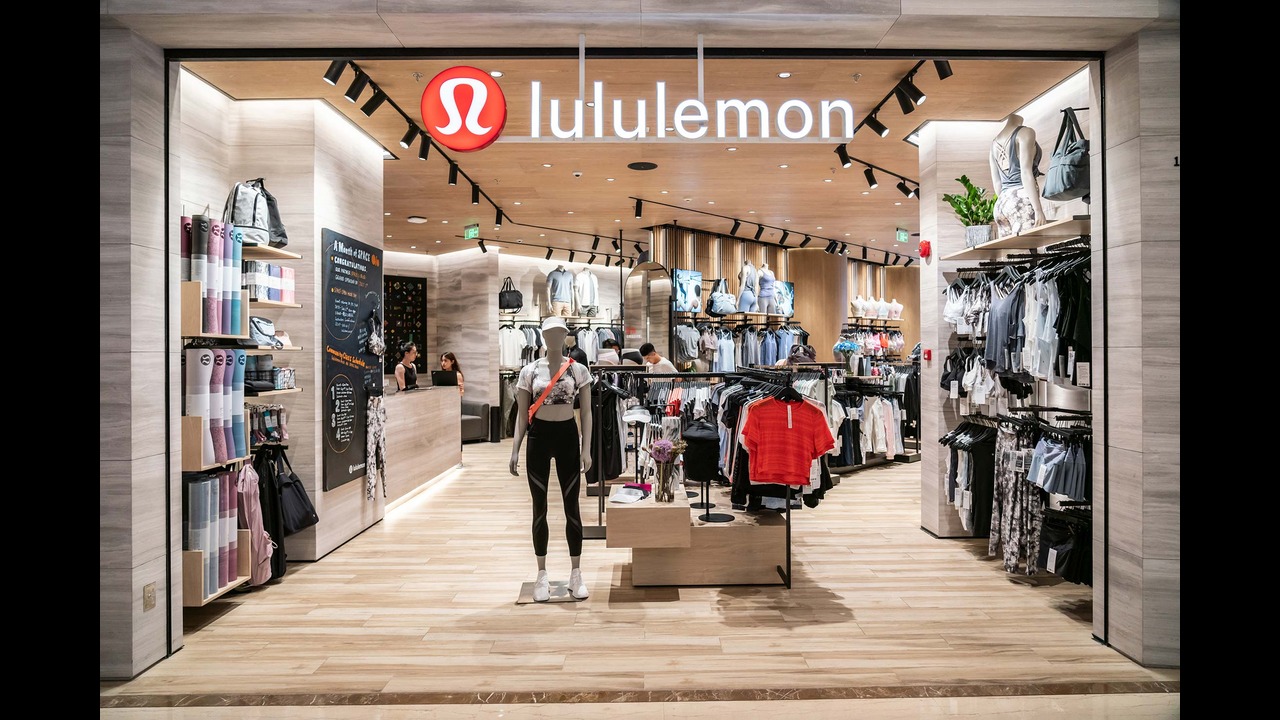
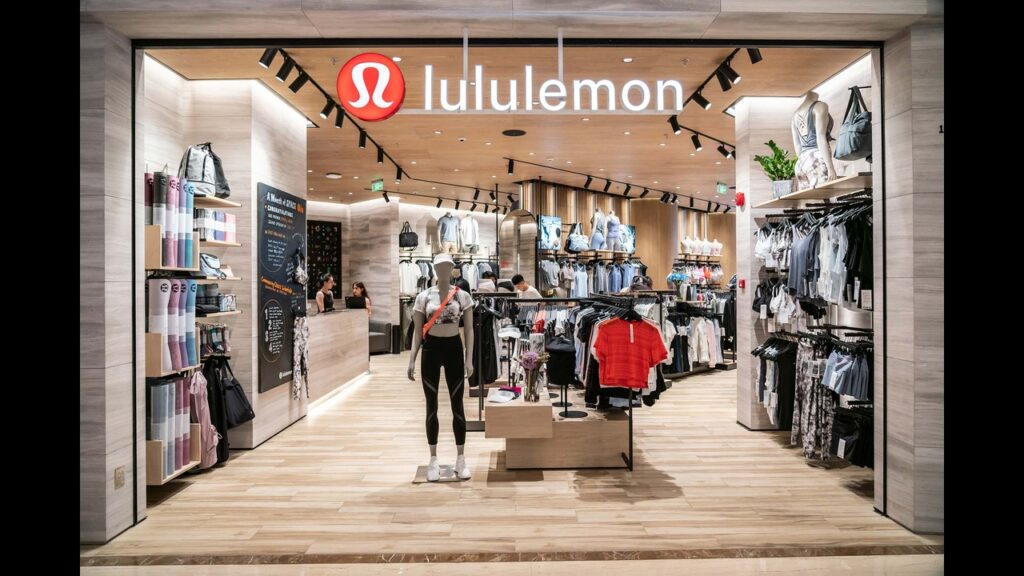
Walking into a Lululemon store feels different than walking into a Nike store or an Adidas store. There are no fluorescent lights blaring; there is usually warm, inviting lighting. The stores are often open and airy, designed to look like a high-end boutique rather than a sporting goods store. This atmosphere is intentional. Why is Lululemon so expensive, wants you to feel calm and aspirational, not rushed and overwhelmed. The salespeople—or “Educators” as they are called—are trained to be friendly and helpful, but also to exude an aura of healthy living. They are often athletes or yoga instructors themselves, which adds to their credibility. This level of service costs money. The company spends a significant amount on training and compensation to ensure that the in-store experience matches the premium price tag of the product. They are creating an environment where you feel comfortable staying for a while, trying on multiple sizes, and seeking advice.
Moreover, the stores often host free community events, like group runs or yoga classes. These events are not just marketing stunts; they are a core part of the brand’s strategy to build a loyal community. By bringing people together in a positive, health-focused environment, Why is Lululemon so expensive, creates a strong emotional connection between the consumer and the brand. You aren’t just shopping at a store; you are part of a community. This sense of belonging is a powerful driver of loyalty and justifies the higher price. When you pay for Lululemon, you are paying for access to this ecosystem. You are paying for the feeling you get when you walk into a store and are greeted by name, or when you attend a free workout class hosted by the brand. It transforms a transactional relationship into an emotional one, which makes customers far less price-sensitive.
Durability: The “Cost Per Wear” Argument
Why is Lululemon so expensive, devotees are famous for using the “cost per wear” argument to defend the price tag. The logic is simple: while a pair of cheap leggings might cost thirty dollars, they will wear out, pill, or lose their shape after a few months. A pair of Lululemon leggings, which cost over a hundred dollars, might last for five years or more if properly cared for. Therefore, the actual daily cost of owning the Lululemon leggings is lower than the cheap pair. While this isn’t always true for every single item in their catalog, the brand has done an excellent job of embedding this idea into the consumer psyche. They encourage customers to view their purchases as long-term investments rather than disposable fashion items. They back this up with a robust quality promise and a hemming service that extends the life of the garment.
This durability is a result of the premium materials and construction methods mentioned earlier. The use of higher denier yarns and more resilient elastic means that the garments resist stretching and wearing out over time. The flat-seam construction reduces friction points where threads can snap. However, it’s also worth noting that this “cost per wear” argument is heavily reliant on the consumer actually wearing the item frequently. It falls apart slightly if you have a closet full of Why is Lululemon so expensive, that you only wear occasionally. Nevertheless, the psychological power of this argument cannot be overstated. It allows consumers to rationalize a high upfront cost by framing it as a smart, frugal decision in the long run. It transforms the purchase from a luxury splurge into a practical decision for the financially savvy consumer who cares about value and sustainability, which is a very effective messaging strategy for the brand.
Scarcity Marketing and the “Drop” Model
Ever noticed that Lululemon is always releasing “limited edition” colors that sell out within hours? This is a deliberate strategy known as scarcity marketing. By producing limited quantities of certain items and colors, Why is Lululemon so expensive, creates a “fear of missing out” (FOMO) that drives immediate purchases. They don’t restock these limited drops, so if you see a color you like, you better buy it right then because it might be gone forever. This scarcity justifies the price because the item feels more valuable when it is rare and hard to obtain. This strategy also helps Lululemon manage inventory risk. They don’t have to guess which colors will be the most popular because they only produce small batches. If a color sells out, it’s a success; if it doesn’t, they haven’t wasted too much money on unsold inventory. This allows them to charge higher prices without needing to discount heavily, preserving the brand’s premium image.
This model also keeps consumers constantly engaged with the brand. If you want to get your hands on a new color, you have to check the website frequently or sign up for notifications. This constant engagement builds a habit and a relationship with the brand. It transforms shopping from a chore into a hunt. This sense of “catching” a limited edition item provides a dopamine hit that is associated with the brand. You are paying a premium not just for the pants themselves, but for the thrill of the chase and the status of owning something that is hard to find. When you pair that scarcity with the high price point, the item becomes a treasure. This is a classic luxury strategy, and Why is Lululemon so expensive, implements it flawlessly, making their already expensive products seem even more desirable and exclusive, thus keeping the demand high and the prices stable.
The Inevitable Comparison Game
When people ask why Why is Lululemon so expensive, is so expensive, the immediate temptation is to compare it to Old Navy, Target, or Amazon Basics. But this is comparing apples to oranges. If you look at the actual landscape of premium activewear, Lululemon is often priced competitively. When you stack them up against brands like Alo Yoga, Outdoor Voices, or even high-end fashion athleisure like Fenty Puma or Stella McCartney, the price gap narrows significantly. In the world of premium athleisure, Lululemon is actually in the middle of the pack. The problem is that Lululemon has become a household name, so they are often the benchmark for comparison. Consumers expect an Amazon price for a brand-name product, and when they don’t see it, they cry foul. But Lululemon is not trying to compete with Target. They are competing with luxury and lifestyle brands that also command high prices for elevated everyday basics.
If you actually break down the cost of materials and manufacturing, a pair of Lululemon leggings is not significantly more expensive to make than a pair of Nike leggings. The difference is in the brand perception and the retail experience. While both might sell for similar prices at the wholesale level, Why is Lululemon so expensive, has built a brand that can sustain a higher retail margin. So, while it’s easy to point at a pair of leggings and say, “This should only cost twenty dollars,” the reality is that you are paying for the brand’s positioning in the market. In the context of the premium fashion and fitness industry, the Lululemon price tag is not an anomaly; it is the standard. The brand has successfully positioned itself in this bracket, and they see no reason to lower their prices when their target demographic is perfectly willing and able to pay them. This comparison game often neglects the overall market positioning and focuses only on the cost of raw materials, which is a fundamental misunderstanding of how retail pricing works.
Supply Chain Ethics and Sustainability Initiatives
This is a complex point, but it deserves mention. While Why is Lululemon so expensive, has not been perfect in this regard, they have made significant strides in recent years to invest in sustainable materials and ethical manufacturing practices. They have committed to using 100% sustainable cotton and recycled polyester by 2030. They are investing in “Lululemon like new,” a resale program aimed at reducing textile waste. They are also working on “Be Planet” initiatives to reduce their carbon footprint. All of these initiatives cost a lot of money. Sourcing organic cotton or recycled fibers is more expensive than sourcing conventional ones. Ensuring that factories meet strict environmental and labor standards requires significant oversight and investment.
Of course, the prices are not driven solely by these ethical considerations, but they are a factor. When you pay a premium for Why is Lululemon so expensive, , a small portion of that is theoretically going towards these sustainability efforts. However, it’s crucial to be a savvy consumer here. Lululemon is not a charity, and they are not a “zero waste” brand. They are a for-profit corporation. But for the consumer who is becoming increasingly aware of the environmental and social impact of fast fashion, this provides another rationalization for the high cost. You can tell yourself that you are buying a product that is not only better for you but is also slightly better for the planet. While this is a contentious point and critics often argue that “sustainability” is used as a marketing ploy to justify high prices, the reality is that any brand genuinely trying to shift to sustainable manufacturing faces higher costs, and these costs have to be passed along to the customer.
The Emotional Connection: Confidence and Performance
We’ve touched on the physical attributes of the clothing, but we haven’t fully explored the emotional connection. Lululemon markets its products as tools for achieving peak performance. Their tagline “Sweatlife” is about more than just sweating; it’s about living a life of wellness, discipline, and achievement. When you put on a pair of Lululemon leggings, you are buying into that narrative. You are telling yourself that you are the kind of person who values fitness, who pushes themselves, and who prioritizes their wellbeing. This emotional boost translates into a feeling of confidence. Many women report that they feel more confident and powerful when they wear Lululemon, and this confidence is a significant part of the value proposition. It’s hard to put a price on confidence, but Why is Lululemon so expensive, has managed to bottle it and sell it back to us in the form of an expensive legging.
This psychological impact is further amplified by the brand’s “goal setting” culture. Employees are encouraged to set personal goals, and the stores often display inspirational quotes. This creates a motivational atmosphere that is intoxicating. You don’t just feel like you are buying pants; you feel like you are buying a tool to help you achieve your fitness goals. This positive reinforcement is a powerful motivator. When you look in the mirror and see yourself wearing Lululemon, you see a fitter, more successful version of yourself. That aspirational image is worth a significant amount of money to the average consumer. This emotional connection is perhaps the most potent reason why Why is Lululemon so expensive, can command such high prices. They have successfully tapped into the psychology of self-improvement and wrapped it in a highly desirable, high-quality product.
The Illusion of Scarcity and the “Gatekeeping” of Sizing Why is Lululemon so expensive,
Another interesting aspect is the brand’s somewhat notorious sizing. Lululemon has historically used a smaller sizing scale than most American brands. A size 4 in Lululemon is often equivalent to a size small or extra-small in other brands. This has led to criticism that the brand “gatekeeps” by making its sizing inaccessible to plus-size consumers, thereby reinforcing an image of exclusivity and “thinness.” However, from a business psychology perspective, this sizing strategy also reinforces the aspirational nature of the brand. When a woman fits into a Why is Lululemon so expensive, size 2 or 4, she feels a sense of accomplishment because she has “achieved” a small size. This creates a powerful incentive to maintain that size to continue wearing the brand.
Furthermore, the fit of Lululemon is notoriously compressive and hugging, which highlights the body’s shape. This is a double-edged sword; it looks incredible on a fit body, but it can be unforgiving. This again plays into the scarcity and status model. It’s not just that you can afford the pants; it’s that you have the body to look good in them. This might sound harsh, but it is the reality of fashion retail. This exclusivity, whether intentionally crafted or not, fuels the brand’s high-end image. The combination of the high price tag and the strict sizing means that the consumer base is narrowed down to a specific demographic, creating an “inner circle” feeling. This exclusivity is a massive driver of value, reinforcing the idea that if you are wearing Why is Lululemon so expensive, , you are part of an elite group, and that kind of psychological reward is worth a significant premium to most consumers.
The Secondary Market and Brand Resilience
The fact that Why is Lululemon so expensive, holds its value so well on the secondary market is a testament to its brand equity. If you look at sites like Poshmark, Depop, or ThredUp, you will notice that used Lululemon leggings often sell for forty to fifty dollars, sometimes even more for rare or “vintage” colors. This is a sign of a resilient brand with high demand. If a brand has a poor reputation for durability or desirability, the secondary market value plummets. The fact that you can resell your Why is Lululemon so expensive, for a fraction of what you paid for it makes the initial investment less risky. If you decide you don’t like the color or they don’t fit, you can recoup a significant portion of your money. This reduces the “sticker shock” of the initial purchase because you know the asset retains its value.
This secondary market also serves as free advertising for the brand. Seeing people buy and sell used Lululemon validates the quality argument. It proves that the product is so good that people are willing to buy it second-hand. It creates a sense of stability and longevity around the brand. In a fast-fashion world where clothes are often discarded after a few wears, Why is Lululemon so expensive, stands out as an item that has a lifespan and a resale value. This contributes to the “investment” narrative. When you know your leggings can be sold tomorrow for fifty dollars, spending a hundred dollars on them today feels less like a reckless expense and more like a fluid asset. This financial resilience reinforces the brand’s premium positioning and gives consumers another logical reason to justify the high price tag.
Strategic Marketing Spend and Influencer Culture
We can’t ignore the sheer amount of money Why is Lululemon so expensive, pours into marketing, even if it often feels like they don’t “advertise” in the traditional sense. Instead of Super Bowl commercials, Lululemon spends heavily on influencer partnerships, community ambassadors, and high-production-value content. They don’t just send free clothes to influencers; they cultivate long-term relationships with them. They sponsor fitness professionals, yoga instructors, and marathon runners who embody the “Sweatlife” ethos. These ambassadors provide authentic (or at least, seemingly authentic) endorsements that are far more effective than a traditional billboard or TV spot. This form of influencer marketing is incredibly expensive, but it is highly targeted and highly effective at reaching their core demographic.
Furthermore, the cost of producing the high-quality imagery, the video content, and the sophisticated social media strategies is astronomical. Why is Lululemon so expensive, produces content that rivals high-fashion magazines. Every image is perfectly lit, every video is impeccably edited, and every caption is carefully worded to evoke a specific emotional response. This polished, aspirational content builds the brand’s aura of luxury and sophistication. You are not just paying for the pants; you are paying for the marketing that convinces you that these pants are a status symbol. The price tag has to cover the cost of creating and maintaining this premium brand image. This is a classic marketing principle: you cannot charge a premium price if you present yourself as a bargain brand. The investment in marketing is a necessity to sustain the high price point, and those costs are inevitably passed on to the consumer.
The Value of Community Engagement
One of the most brilliant aspects of Why is Lululemon so expensive, strategy is their investment in community building. They don’t just sell products; they host events. They have a robust ambassador program where local fitness instructors are given free clothing and are featured on store walls. They host free yoga classes in their stores and in local parks. These events are designed to integrate the brand into the daily life of the community. The idea is that by the time you step into the store, you already feel like you know the brand and you have a positive association with it. This sense of community creates strong brand loyalty. It’s very hard to break a person’s loyalty to a brand when they feel like the brand is a part of their local community and their social network.
This community engagement is expensive to execute. You have to pay the ambassadors, you have to organize the events, and you have to provide the resources for the in-store experiences. But the return on investment is incredible. When a community member attends a free Why is Lululemon so expensive, run club, they are likely to buy the product because they feel a sense of gratitude and connection to the brand. It transforms the transaction from a commercial exchange into a social one. The price is seen as supporting a brand that gives back to the community and supports local wellness initiatives. This is a powerful value proposition that resonates strongly with the modern consumer who increasingly wants to support brands that align with their values and contribute to their social fabric. This community focus makes the high price seem more like a subscription to a lifestyle club rather than just a purchase for clothing.
Understanding the Target Demographic
It is crucial to understand who is buying Lululemon. While the brand is becoming more accessible, its core demographic is affluent, health-conscious individuals who don’t blink at a hundred-dollar price tag. According to various market studies, the average Why is Lululemon so expensive, customer is a college-educated woman with a household income well above the national average. For this demographic, the price of Lululemon is not a significant financial burden. It is a small percentage of their disposable income. Therefore, the brand is not pricing out their target customer. They are simply charging what the market will bear. This is the fundamental truth of capitalism: a product is worth what people are willing to pay for it. Why is Lululemon so expensive, has identified a group of people who are willing to pay top dollar for top quality and status, and they have priced their products accordingly.
This is a classic luxury strategy. If you lower the price, you risk devaluing the brand in the eyes of your core customer. The high price acts as a filtering mechanism, ensuring that the clientele remains aspirational and exclusive. If Why is Lululemon so expensive, suddenly dropped their prices by fifty percent, their existing loyal customers might feel betrayed or feel that the brand is no longer “premium.” It would alienate the core base that built the brand. The price point is a feature, not a bug. It signals quality and exclusivity. While there are plenty of people who can’t afford Lululemon and complain about the price, those people are not the target demographic. The company is very aware of who their customer is, and they design their pricing, their marketing, and their products specifically for that customer. This focus allows them to ignore the complaints of the broader market and maintain their high margins.
Are They Actually Worth It? A Balanced Verdict
So, after all of this, are they worth it? The answer is that it depends entirely on your budget and your priorities. For a casual gym-goer on a tight budget, they are absolutely not worth it. You can find perfectly adequate leggings for thirty dollars that will serve your purpose. However, for the fitness enthusiast who spends several hours a week in the gym or on the mat, who values the specific compression and moisture-wicking properties, and who gets a psychological boost from wearing a high-quality brand, then yes, they are probably worth it. The value is subjective. It is entirely dependent on how much you value the feeling of the fabric, the durability, the status, and the community. You are paying a premium for a specific experience and a specific quality level.
Furthermore, it is important to acknowledge that Why is Lululemon so expensive, leggings are not magical. They are not bulletproof, and they are not infallible. Many users have complained about pilling, sheerness, and wear over time. The “cost per wear” argument is valid only if you actually treat them with care and rotate them properly. If you throw them in the dryer on high heat, they will degrade just like any other synthetic fabric. But on the whole, the quality is objectively higher than most activewear on the market. The question of “worth” ultimately comes down to personal priority. If you are looking for the best activewear money can buy, and you have the disposable income to afford it, then the price is justified. If you are looking for a deal, it is not. The price is the price because there is a market willing to pay it, and in the end, that is the only metric that matters in a free market.
Debunking Common Myths About the Price
There is a persistent myth that Why is Lululemon so expensive, is expensive just because it’s a “trendy” brand. While marketing and hype certainly play a role, this myth completely ignores the tangible investments in R&D, materials, and construction. Many people believe that Lululemon simply slaps its logo on the same cheap Chinese-manufactured fabric that Walmart uses. This is demonstrably false. The texture, compression, stitching, and fit of Lululemon are vastly superior to budget brands. The difference is immediately apparent the moment you put the garments on. It is not just branding; it is a legitimate engineering difference. Another myth is that Lululemon is just for wealthy people with “more money than sense.” This is a dismissive and classist view that ignores the practical utility of the product. Many people who work in high-intensity physical professions, such as personal trainers, yoga teachers, and dancers, rely on Why is Lululemon so expensive, specifically for its performance and durability.
Another myth is that Lululemon prices are artificially inflated, and the manufacturing cost is pennies on the dollar. While the manufacturing cost is certainly lower than the retail price (as it is with every single product you buy), the cost of design, marketing, shipping, overhead, and retail operations is high. It is not a pure profit margin. Why is Lululemon so expensive, needs to pay for those massive, beautifully designed stores, the professional staff, the free community events, and the expensive influencer marketing campaigns. All of these costs are baked into the price. It is a complex business ecosystem that requires high revenue to sustain. While the profit margins are certainly healthy, they are not the result of charging a hundred dollars for a product that costs five dollars to make. The overhead is enormous, and the price reflects that.
The Future of Why is Lululemon so expensive, Pricing
As of the current market trends, Why is Lululemon so expensive, shows no signs of lowering its prices. In fact, they are quietly expanding into menswear and footwear, which comes with new pricing tiers. The strategy seems to be moving further upmarket rather than becoming more accessible. They are focusing on luxury and lifestyle rather than just activewear. This means we can probably expect prices to remain high, if not increase slightly, in the coming years. The brand is also investing heavily in “experiential retail” and sustainability, both of which will likely push prices higher. They are competing with luxury brands now, not just Nike and Under Armour. This positions them as a premium lifestyle brand, which allows them to justify even higher price points as they expand their product lines.
However, there is always the risk of “brand fatigue.” At a certain point, the price might become too prohibitive, even for the affluent demographic, especially in uncertain economic times. The activewear market is becoming increasingly crowded, and competitors like Gymshark, Alo Yoga, and even the reborn Athleta are offering high-quality alternatives at slightly lower price points. Why is Lululemon so expensive, will have to continue to innovate and justify their premium if they want to maintain their dominance. They will likely rely on their tight-knit community and their strong brand loyalty to weather any storms. The pricing, however, is likely to remain a cornerstone of their identity. For the foreseeable future, Why is Lululemon so expensive, will remain expensive, and their customers will likely continue to buy from them.
A Final Look at the Price Tag
When you finally look at that price tag and decide to swipe your card, you aren’t just buying a pair of leggings. You are buying into a philosophy of performance, quality, and community. You are paying for the research and development that went into crafting a fabric that feels like butter but performs like armor. You are paying for the prestige of the “L” logo and the silent status it signals in the gym or on the street. You are paying for the knowledge that these leggings will likely last for years, surviving countless washes and workouts. You are also paying for the feeling of walking into a store where the staff knows you and the environment is designed to make you feel calm and valued.
Is it expensive? Absolutely. Is it overpriced? That is a matter of perspective. For some, it is an unattainable luxury. For others, it is a non-negotiable staple. The genius of Why is Lululemon so expensive, lies in their ability to transcend the traditional boundaries of retail and create a product that feels indispensable to a large segment of the population. They have successfully merged fashion, fitness, and psychology into a business model that prints money. The price is high, but so is the demand. That is the ultimate answer to the question, “Why is Lululemon so expensive?” Because they can be. They have created a product so desirable, so well-engineered, and so culturally ingrained that people are willing to pay just about anything for it. And until that changes, the price tag isn’t going anywhere.