There are breakfast recipes, barefoot contessa baked french toast casserole. The kind that fills your home with the warm, comforting scent of vanilla, cinnamon, and butter long before anyone has even shuffled into the kitchen. The kind that turns a lazy Sunday morning into a cherished memory or a holiday brunch into a legendary event. For countless home cooks, that pinnacle of breakfast perfection is achieved with one iconic dish: the Barefoot Contessa Baked French Toast Casserole.
This isn’t just another barefoot contessa baked french toast casserole; it’s a culinary masterpiece from the woman who taught us how to entertain with elegance and ease. Ina Garten, the beloved Barefoot Contessa, has a knack for taking simple, high-quality ingredients and transforming them into something truly extraordinary. Her Baked French Toast Casserole is a perfect example of this philosophy in action. It takes the classic, beloved flavors of French toast—the custardy egg-soaked bread, the warm spice, the sweet finish—and elevates it into a make-ahead, stress-free dish that serves a crowd.
We’re going to dive deep into this iconic recipe, exploring every nuance from the best bread to choose, to the secrets behind the perfect custard, to the glorious pecan streusel topping that makes this dish a showstopper. Whether you’re a seasoned home baker looking for a new family favorite or a beginner wanting to impress, this comprehensive guide will equip you with all the knowledge you need. So, put on your apron, preheat your oven, and get ready to master the art of the ultimate barefoot contessa baked french toast casserole
The Allure of the Make-Ahead Breakfast
Let’s be honest: the idea of waking up on a holiday morning, a birthday, or even just a peaceful Saturday, and having to frantically whisk eggs, slice bread, and man a hot skillet while your guests are waiting is not exactly the picture of relaxed hospitality. This is precisely where the magic of the Barefoot Contessa Baked French Toast Casserole truly shines. Its genius lies not just in its incredible flavor, but in its brilliant make-ahead nature. You do all the heavy lifting the night before, and in the morning, you simply slide a pan into the oven and enjoy a hot, spectacular breakfast with zero stress and maximum enjoyment.
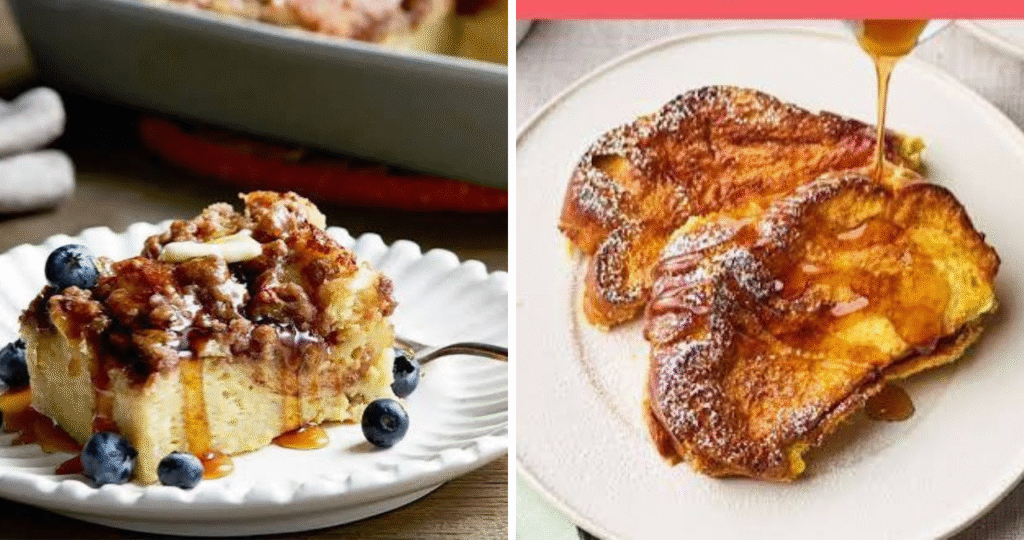
This make-ahead quality is a game-changer. It allows you, the host, to be a guest at your own party. When the casserole is assembled, it sits overnight in the refrigerator, giving the bread ample time to soak up every last drop of that luscious, spiced custard. This isn’t just a convenience; it’s a crucial step in achieving the perfect texture. This overnight hydration ensures that the inside of the dish remains luxuriously soft and custard-like, almost like a bread pudding, while the top, thanks to the buttery streusel, bakes up gloriously golden and crisp. You get the best of both textures—a tender, creamy interior and a delightfully crunchy, caramelized top—all without hovering over a stove.
Furthermore, the barefoot contessa baked french toast casserole is designed with the entertainer in mind. It’s a one-dish wonder that serves a generous crowd, making it an ideal centerpiece for a festive brunch buffet. You can easily pair it with a simple green salad, some crispy bacon or sausage, and a pitcher of fresh orange juice for a complete and impressive meal. The recipe’s forgiving nature is another part of its allure. It’s incredibly difficult to mess up, which means even a novice cook can produce a dish that tastes as if it came from a gourmet kitchen. This combination of convenience, reliability, and spectacular results is what has cemented this recipe as a beloved classic for gatherings of all kinds.
Selecting the Perfect Bread
The foundation of any great French toast, especially a barefoot contessa baked french toast casserole, is the bread. This isn’t a place to cut corners; the bread you choose will directly impact the final texture and flavor of your dish. Ina Garten is famously specific about this, and for good reason. She recommends a rich, dense bread like challah or brioche. These eggy breads have a tender crumb and a slight sweetness that perfectly complements the custard, creating that signature, melt-in-your-mouth texture.
Challah, with its braided, golden exterior and soft, fluffy interior, is a classic choice. Its richness comes from a generous amount of eggs and oil, which helps it absorb the custard without becoming overly soggy. Similarly, brioche, a French bread made with even more butter and eggs, offers an unparalleled level of decadence. The high fat content in these breads is key. They act like a sponge, soaking up the custard while maintaining their structure, ensuring that the final barefoot contessa baked french toast casserole is creamy and tender, not a mushy, watery mess. If you can’t find challah or brioche, a good quality, thick-cut white bread or a country-style loaf can work in a pinch, but you won’t get quite the same level of luxurious texture.
Beyond the type of bread, the condition of the bread is equally critical. The Barefoot Contessa’s recipe often calls for day-old or slightly stale bread. This is not an accident; it’s a deliberate step to ensure the best possible result. Fresh, soft bread will absorb the custard too quickly and break down, turning your casserole into a soggy pudding rather than a structured, sliceable dish. Stale bread, on the other hand, is dry and porous, like a sponge. It will eagerly soak up the egg and milk mixture, hydrating as it bakes and resulting in a perfectly firm yet tender texture. So, when you’re planning your brunch, buy your loaf a day or two in advance and leave it out on the counter. This simple act of preparation is a secret weapon for achieving that professional, Barefoot Contessa-quality finish.
Mastering the Custard Base
If the bread is the foundation, the custard is the heart and soul of the Baked French Toast barefoot contessa baked french toast casserole. It’s the magical liquid that transforms simple bread into a rich, decadent breakfast treat. The Barefoot Contessa’s custard is a masterclass in balance, combining simple ingredients in perfect harmony to create a flavor profile that is both comforting and sophisticated. At its core, you’ll find eggs, milk, cream, sugar, vanilla, and a touch of warm spice.
The ratio of eggs to dairy is crucial. Too many eggs and the casserole will be too firm and eggy; too few and it won’t set properly, leaving you with a soupy mess. Ina’s recipe strikes the perfect balance, using a generous number of eggs to create a rich, creamy custard that sets beautifully as it bakes. The combination of milk and cream (or sometimes half-and-half) provides the luxurious richness that is a hallmark of the Barefoot Contessa’s style. The cream adds a velvety smoothness that milk alone can’t provide, elevating the dish from a simple breakfast to a truly indulgent experience.
But what truly sets this custard apart is the flavor. High-quality vanilla extract is non-negotiable. It adds a fragrant, floral sweetness that underpins the entire dish. Ina often uses a vanilla bean, scraping the tiny seeds into the custard for an even more intense, pure vanilla flavor, but good-quality extract works wonderfully too. Then comes the spice: a generous dose of ground cinnamon and a pinch of nutmeg. This warm, aromatic spice blend is what gives the barefoot contessa baked french toast casserole its classic, comforting “French toast” flavor. The nutmeg, often overlooked, adds a subtle, nutty complexity that makes the flavors sing. Whisking these ingredients together until they are completely smooth and homogeneous is essential, ensuring that every single piece of bread is evenly flavored and baked to perfection.
The Art of the Streusel Topping
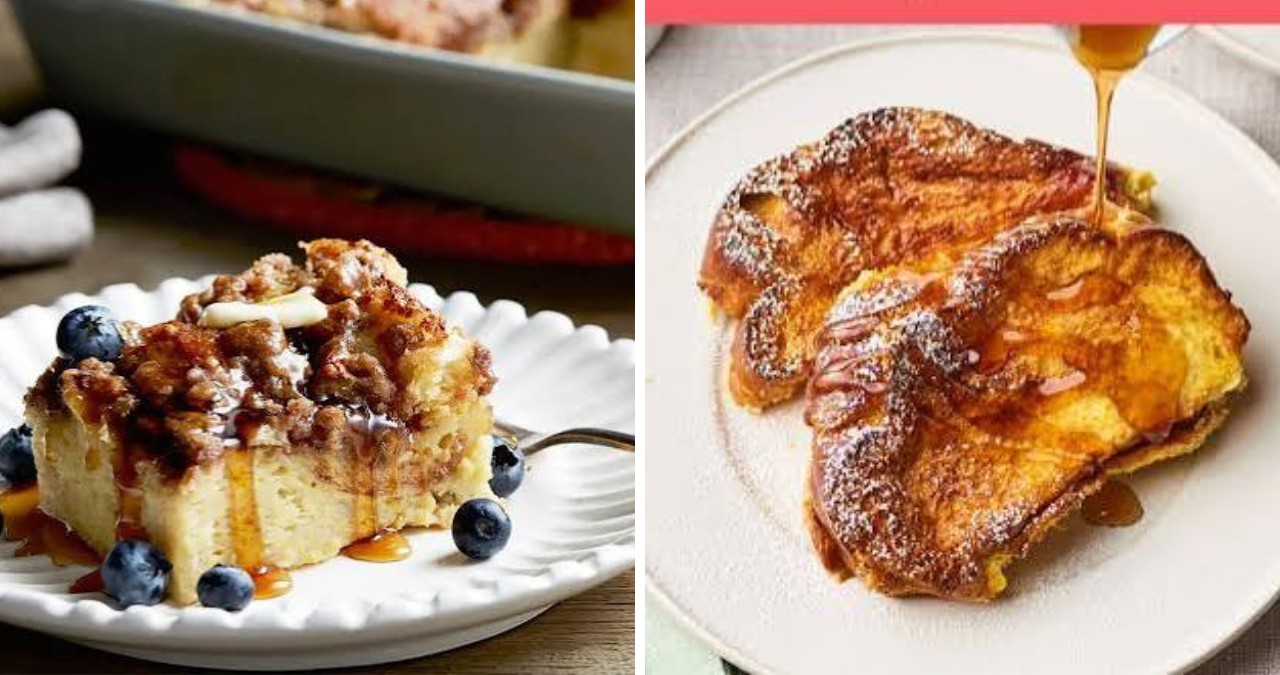
Ina Garten’s barefoot contessa baked french toast casserole is not just about the soft, custard-soaked bread beneath; it’s also celebrated for its magnificent, crunchy, buttery streusel topping. This isn’t an afterthought; it is a carefully constructed element that provides a critical textural contrast to the creamy interior. The streusel is the crown jewel of the dish, transforming it from a simple bread pudding into a bakery-worthy masterpiece that demands attention as soon as it emerges from the oven.
The streusel is a simple combination of flour, brown sugar, chopped pecans, and cold butter. The magic happens when these ingredients are blended together. You want to work the cold butter into the dry ingredients until the mixture resembles coarse, crumbly meal. The key is to keep the butter cold; using warm or melted butter will create a paste rather than the desired crumbly texture. This coarse meal is then generously sprinkled over the soaked bread before baking. As the casserole bakes, the butter in the streusel melts, creating a caramelized, crisp, and nutty crust that is utterly irresistible.
The addition of chopped pecans is a stroke of genius. They not only add a wonderful crunch but also bring a subtle, buttery, and slightly earthy flavor that pairs beautifully with the cinnamon and vanilla in the custard. The brown sugar, with its molasses notes, melts and caramelizes in the oven, creating pockets of sweet, gooey goodness amidst the crisp topping. This combination of textures—the soft, custard-like bread, the crunchy, sugary streusel, and the nutty pecans—creates a multi-sensory experience in every single bite. It’s a testament to Ina’s philosophy that every element of a dish should be thoughtfully considered and deliberately crafted to contribute to the whole.
Step-by-Step Assembly Guide
Assembling the Barefoot Contessa Baked French Toast Casserole is a straightforward process, but following the steps with care will ensure perfect results every time. The night before you plan to serve it, begin by preparing your baking dish. Ina typically uses a 9×13-inch rectangular baking dish, which is perfect for accommodating the cubed bread and serving a large group. Generously butter the inside of the dish to prevent sticking and to add another layer of rich flavor. This is the foundation upon which your breakfast masterpiece will be built.
Next, prepare the bread. If you have a whole loaf, cut it into cubes, about 1-inch in size. Place these cubes evenly into the buttered dish. The goal is to have a snug, but not overly packed, layer of bread. Now, it’s time for the custard. In a large bowl, whisk together your eggs, milk, cream, sugar, vanilla, cinnamon, and a pinch of nutmeg until it is completely smooth and well-combined. Then, carefully pour this custard mixture evenly over the bread cubes. Use a spatula to gently press down on the bread, ensuring that every piece is thoroughly saturated. Some bread cubes will float; that’s perfectly fine.
Once the custard is poured, it’s time to prepare and apply the streusel. In a separate bowl, combine the flour, brown sugar, and chopped pecans. Cut the cold butter into small pieces and add it to the bowl. Use your fingers, a pastry blender, or two forks to work the butter into the dry ingredients until the mixture looks like coarse, crumbly sand. Sprinkle this streusel evenly over the top of the custard-soaked bread. Now, cover the dish tightly with plastic wrap and place it in the refrigerator to rest for a minimum of several hours, or ideally, overnight. This resting period is essential for the bread to fully absorb the custard, ensuring a perfect texture the next morning.
Baking to Golden Perfection
The morning of your brunch is when the magic truly happens. After a restful night in the refrigerator, your Baked French Toast barefoot contessa baked french toast casserole is ready to be transformed by the heat of the oven. Preheat your oven to 350°F (175°C). This is the ideal temperature to ensure that the casserole cooks through evenly, creating a perfectly set, custard-like center while the streusel topping becomes beautifully golden brown and crisp. While the oven is heating, take the casserole out of the refrigerator and let it sit on the counter for about 15 to 20 minutes. This allows the chill to come off the baking dish, helping it cook more evenly and preventing thermal shock to the glass or ceramic.
Once the oven is ready, place the casserole on the center rack. The baking time can vary slightly depending on your oven and the depth of your dish, but it typically takes about 40 to 45 minutes. You’ll know it’s ready when the top is a deep, glorious golden brown, the streusel has melted into a fragrant, bubbly crust, and the center of the casserole is set. A good way to test for doneness is to gently jiggle the pan; the center should be firm but with a slight, soft wobble—it should not be liquid or sloshy. If the top is browning too quickly before the center is set, you can loosely cover it with a piece of aluminum foil to prevent burning while the inside finishes cooking.
The final moments of baking are the most tantalizing. The smell of cinnamon, butter, and vanilla will waft through your home, building anticipation for the meal to come. When you pull the finished casserole from the oven, the golden, bubbly topping and the puffed, custardy sides will look absolutely magnificent. Let the barefoot contessa baked french toast casserole rest for about 5 to 10 minutes before serving. This brief resting period allows it to set up slightly, making it easier to serve cleanly and ensuring the custard has time to cool to the perfect, warm serving temperature. Then, it’s ready to be presented to your eager guests.
Serving Suggestions and Pairings
The Barefoot Contessa Baked French Toast Casserole is spectacular on its own, but the right accompaniments can elevate it from a wonderful dish to an unforgettable meal. The goal is to create a brunch spread that is both visually appealing and offers a variety of flavors and textures to complement the rich, sweet main dish. A classic pairing is fresh fruit. A bowl of mixed berries—strawberries, blueberries, raspberries—or sliced peaches or bananas adds a bright, tart counterpoint to the rich, sweet casserole. The freshness and acidity of the fruit cut through the buttery richness, cleansing the palate for the next delicious bite.
For those who love a classic breakfast combination, a side of crisp bacon or savory breakfast sausage is a must. The salty, savory flavor of the meat provides a perfect contrast to the sweet, custardy French toast. The crispy texture of bacon, in particular, pairs wonderfully with the soft interior and crunchy streusel topping barefoot contessa baked french toast casserole It’s a combination that satisfies every craving, from sweet to savory. You could also consider serving a simple green salad with a light vinaigrette. The acidity of the dressing and the crispness of fresh greens can provide a refreshing and palate-cleansing element to your brunch plate.
Don’t forget about the beverages! A beautiful brunch deserves beautiful drinks. Freshly squeezed orange juice is a classic and refreshing choice. For a more festive occasion, you can’t go wrong with a pitcher of mimosas or a batch of bellinis. For a non-alcoholic option, a sparkling water with a splash of cranberry or pomegranate juice is both elegant and refreshing. Coffee, of course, is a must for many brunch-goers. A pot of strong, freshly brewed coffee or a selection of teas allows guests to linger over their meal. Ultimately, the best pairings are those that reflect your personal taste and make you and your guests happy.
Troubleshooting Common Issues
Even with the most foolproof recipes, things can sometimes go awry in the kitchen. But fear not! The Barefoot Contessa Baked French Toast Casserole is known for its forgiving nature, and most common issues are easily avoidable or fixable with a little know-how. One of the most frequent questions concerns a “soggy” texture. This is almost always a result of using bread that is too fresh or not allowing the assembled casserole to soak long enough. The stale bread is crucial because it acts like a sponge. If you use fresh bread, it will disintegrate in the custard, resulting in a mushy, unappealing pudding. Always use day-old bread and give it the full overnight soak for the best results.
Another potential pitfall is a dry or under-barefoot contessa baked french toast casserole. A dry texture indicates that the custard wasn’t properly absorbed or the dish was baked too long at too high a temperature, causing the liquid to evaporate. Ensure your custard-to-bread ratio is correct and that you’re baking at the recommended 350°F. If the top is browning too fast while the center remains underdone, tent the dish with foil. This will shield the top from direct heat while allowing the center to finish cooking through. Remember, the center should be set but still soft—it will continue to cook slightly from residual heat after it’s out of the oven.
A common but easily fixable issue is a lack of flavor or a bland-tasting dish. This usually comes down to the quality of your ingredients and the amount of spice you use. Don’t skimp on the vanilla; use a good-quality extract. Don’t be shy with the cinnamon and nutmeg, as they are the primary flavor drivers in the custard. Similarly, ensure you’re using enough salt. A small pinch of salt in the custard (and a little in the streusel) doesn’t make it salty; it actually enhances the sweetness and all the other flavors, making them more vibrant. Finally, if your streusel topping is lacking that perfect crunch, it may be because the butter wasn’t cold enough when you mixed it. The cold butter creates the crumbly texture; warm butter will melt into the flour and sugar, creating a more paste-like consistency that won’t crisp up as well.
Variations on a Classic Theme
While the classic Barefoot Contessa Baked French Toast Casserole is close to perfection, one of the joys of cooking is making a recipe your own. There are countless delicious ways to customize this dish, tailoring it to your specific tastes, dietary needs, or the seasonal produce available. The beauty is that the base recipe is so solid that it can withstand a wide variety of creative additions. You can think of it as a blank canvas for your breakfast creativity, ready to be painted with different flavors and textures.
For a more decadent version, consider adding a layer of cream cheese filling. You can create a simple mixture of softened cream cheese, powdered sugar, and a splash of vanilla, and dot it between the layers of cubed bread before pouring the custard over. This creates a luscious, creamy center that is incredibly indulgent. Another popular variation is a fruit-filled barefoot contessa baked french toast casserole. For a berry burst, fold fresh or frozen blueberries, raspberries, or sliced strawberries into the bread cubes before adding the custard. This results in pockets of sweet, tart fruit throughout the casserole, which is especially delicious in the spring and summer. Similarly, sliced apples or pears tossed in a little cinnamon and sugar are a wonderful autumn addition, adding a lovely texture and seasonal flavor.
For those who want a slightly different flavor profile, you can experiment with the spices and extract. Instead of cinnamon and nutmeg, try using cardamom and a little orange zest for a brighter, more exotic flavor. You could also swap out the vanilla for a teaspoon of almond extract, which adds a beautiful, nutty undertone. If you’re feeling particularly adventurous, incorporate a swirl of caramel or butterscotch sauce into the bread cubes. As for the streusel, you can easily change it up. Try using different nuts, like walnuts, almonds, or hazelnuts. You could also add a few tablespoons of quick-cooking oats or shredded coconut to the topping for an even heartier crunch. The possibilities are endless, so feel free to experiment and find your own perfect version.
The History and Inspiration Behind the Dish
Ina Garten’s journey to becoming the Barefoot Contessa is as inspiring as her recipes. It all began in the 1970s when she and her husband, Jeffrey, purchased a specialty food store called the Barefoot Contessa in the Hamptons. Ina, who had a background in government and no formal culinary training, taught herself to cook and run a business by reading cookbooks and experimenting. She focused on high-quality ingredients and simple, elegant recipes that made people feel comfortable and well-fed. This philosophy formed the bedrock of her cooking style and continues to influence her recipes today.
The barefoot contessa baked french toast casserole is a perfect reflection of her catering background. It’s a dish designed to feed a crowd with minimal last-minute fuss, a crucial skill when running a busy store and catering events. The idea of a baked, make-ahead French toast was not just about convenience; it was about creating a spectacular dish that allowed the host to enjoy their own party. Over the years, the recipe has evolved. It first appeared in her 1999 cookbook, The Barefoot Contessa Cookbook, and has since become a fan favorite, with various iterations appearing in her subsequent books and on her television shows.
The legacy of this recipe is a testament to Ina’s genius. She took a humble breakfast dish and elevated it, adding her signature touches: a rich custard, a crunchy pecan streusel, and the crucial overnight soak. She taught a generation of home cooks that it was okay to use shortcuts like day-old bread if it meant achieving a superior result. More than that, she taught us that cooking is an act of love and generosity. This casserole isn’t just about feeding people; it’s about creating a warm, inviting atmosphere where people can connect and enjoy each other’s company. It’s a dish that embodies the Barefoot Contessa’s core philosophy: that good food is a way to show you care.
Tips from the Barefoot Contessa Herself
Ina Garten is renowned for her practical, no-nonsense approach to cooking. She doesn’t just give you a recipe; she imparts wisdom that makes the process easier and more rewarding. One of her most famous pieces of advice is to use good ingredients. This is the golden rule of her cooking. She constantly reminds us that if you start with high-quality butter, eggs, vanilla, and cream, the result will be significantly better than if you use subpar substitutes. It’s a simple concept, but it’s the number one secret to making her recipes taste so exceptional.
Another hallmark of her style is her mantra, “store-bought is fine.” While she values high-quality ingredients, she’s also incredibly practical. She encourages home cooks to use shortcuts when they don’t compromise the final dish, like using good-quality store-bought chicken stock or a great jar of mayonnaise. However, for a dish like the Baked French Toast Casserole, she emphasizes the importance of the homemade touch. Making your own custard and streusel from scratch is what elevates the dish, and she assures you it’s simple enough for anyone to do.
Perhaps her most actionable piece of advice for this specific recipe is regarding the bread. She is adamant about using day-old bread and letting it soak overnight. “Don’t skip this step,” she might say. “It makes all the difference.” She also advises trusting your instincts. If the top is getting too brown, cover it with foil. If it seems too dry, it’s okay to add a splash more milk. Cooking, in her view, is not about rigidly following instructions but about understanding the process and making adjustments based on what you see and smell. Her confidence and encouragement make you feel like you, too, can be a cook in your own kitchen, creating beautiful, delicious food with grace and ease.
Conclusion: The Joy of Sharing a Homemade Classic
The Barefoot Contessa Baked French Toast Casserole is more than just a recipe; it is a philosophy of cooking and hospitality in a single dish. It embodies everything we love about Ina Garten’s approach to food: simplicity, elegance, and a deep understanding of what makes people feel cared for. It teaches us that by using the best ingredients and taking a little time to prepare, we can create something truly special that brings joy to the table. The process of assembling it the night before, knowing that a spectacular breakfast awaits, is a small ritual of generosity.
When you present this golden, fragrant casserole to your family and friends, you are sharing a piece of culinary magic. The look of delight on their faces as they take that first bite—the crunch of the pecan streusel giving way to the soft, custardy interior—is a reward in itself. It’s a dish that effortlessly turns an ordinary morning into a celebration. Whether it’s for a holiday, a birthday, or just a quiet weekend, this casserole makes the occasion feel special.
So, the next time you’re planning a brunch or looking for a way to make a morning memorable, turn to this Barefoot Contessa classic. Let the aroma of cinnamon and vanilla fill your home, and enjoy the simple pleasure of sharing a homemade meal with the people you love. In the end, that’s what the Barefoot Contessa is all about. It’s not just about the food; it’s about the love and connection that food can foster. This Baked French Toast Casserole is a powerful reminder that the best meals are those made with thoughtfulness and shared with generosity, creating memories that linger long after the last bite is gone.