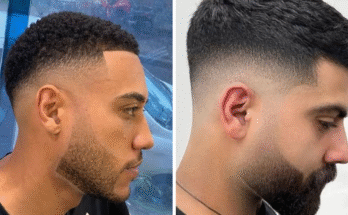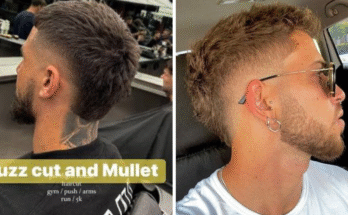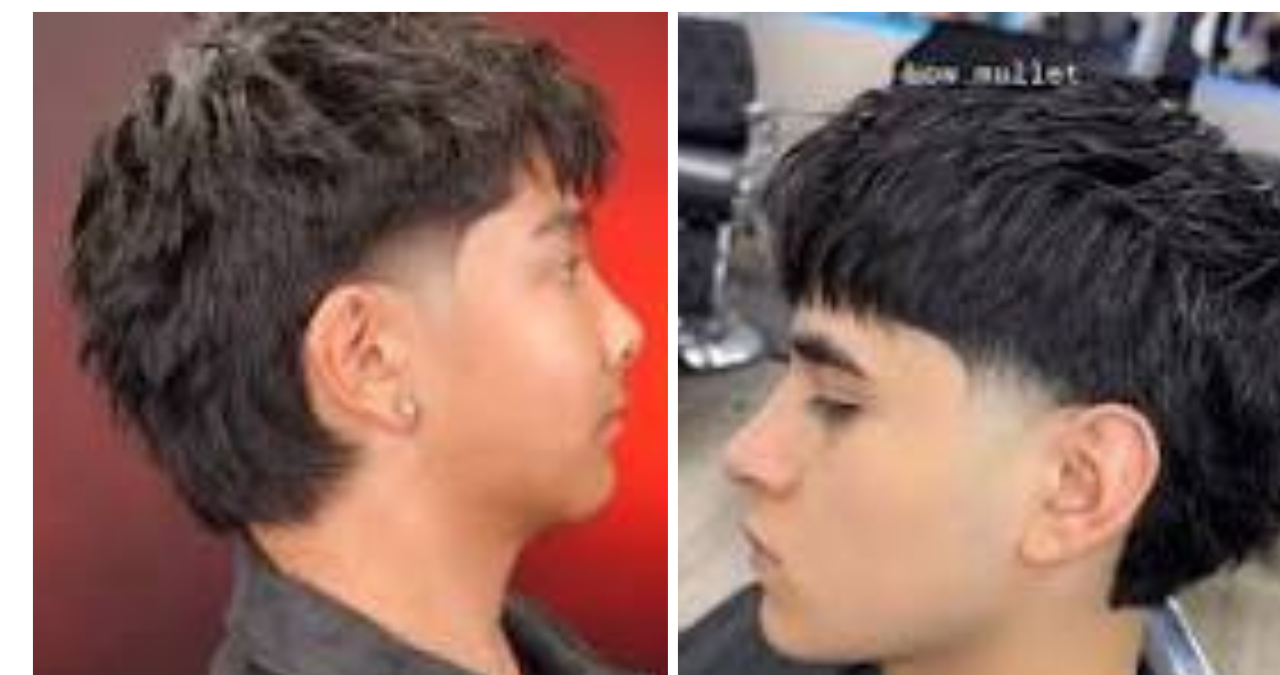
In the grand tapestry of hairstyles low taper mullet few cuts have experienced a resurgence as spectacular and culturally significant as the mullet. Once relegated to the annals of eighties nostalgia and mocked as a fashion faux pas, the mullet has not only returned; it has evolved. The modern iteration, specifically the low taper mullet, is a masterclass in contrast, blending rebellious spirit with contemporary refinement. This isn’t your father’s mullet; it’s a carefully sculpted statement of individuality that has taken over runways, streets, and social media feeds. Its popularity isn’t just a fleeting trend but a testament to the timeless appeal of a silhouette that dares to be different while offering surprising versatility. Whether you’re a seasoned style icon or someone looking for a fresh new look, the low taper mullet presents a compelling option that marries the audacity of the past with the precision of the present.
The beauty of this haircut lies in its ability to be simultaneously bold and subtle. Unlike the stark, disconnected styles of the past, the modern low taper mullet is defined by its gradual, seamless transition. It offers an entry point for those who might have been hesitant to embrace the mullet’s full drama while providing enough edge for the true trendsetter. As we delve deeper into this comprehensive guide, we’ll explore every facet of this iconic haircut, from its historical roots to the minute details of styling and maintenance. We’ll look at why it has captured the imagination of a new generation, how it differs from its ancestors, and most importantly, how you can make it your own. This is more than just a haircut guide; it’s a celebration of a style that has truly come full circle, emerging as a symbol of modern masculine elegance and personal expression.
The Rich Tapestry of the Mullet Through the Ages
To fully appreciate the low-taper mullet of today, we must first understand the rich and surprising history of its predecessor. The mullet, in its most basic form, is a hairstyle that has existed for centuries, far predating its explosion in popularity during the 1980s. Its history is a fascinating journey from practicality to rebellion and back again. The term “mullet” itself might be a relatively modern invention, but the silhouette has been a constant presence throughout human history. Historical accounts even suggest a lineage extending back to ancient Greece, where warriors were described with “their forelocks cropped, hair grown long at the backs,” a testament to the style’s enduring practicality for those needing both visibility and protection in battle
This practical duality continued through the ages. In the 6th century BC, the style was known in Rome as the “Hun cut,” a bi-level do sported by young, wealthy troublemakers who used it to emulate the empire’s fiercest nomadic enemies. Moving forward centuries, the mullet found an unlikely advocate in one of America’s founding fathers, Benjamin Franklin. He shrewdly used what might be termed a “mullet” to charm the French court, presenting himself as a humble, new-world sage in stark contrast to the powdered wigs of the aristocracy In the 19th century, Chief Joseph of the Nez Perce tribe and his people wore their long hair with spiky bangs and flowing backs as an act of spiritual and political defiance against forced relocation and cultural assimilation, proving that a haircut can be a powerful form of resistance These examples illustrate that the mullet has always been more than just a style; it has been a symbol of identity, rebellion, and practicality across different cultures and eras.
The Modern Evolution: Understanding the Low Taper Mullet
Fast forward to the 21st century, and the mullet has experienced a powerful renaissance. However, it has returned with a significant upgrade. The “modern mullet with a Low Taper Mullet is the result of a careful evolution, taking the classic silhouette and re-engineering it for contemporary tastes It’s a style that has been refined, polished, and stripped of its former “tacky” connotations to become a staple of modern grooming. The transformation is so complete that it often feels like a completely different haircut, sharing only a silhouette with its 80s counterpart. This is not a nostalgic throwback but a forward-thinking reinterpretation that honors the past while defining the present.
The primary driver of this evolution is the taper. In the world of barbering, a taper is a gradual decrease in hair length. The “Low Taper Mullet” specifically refers to where this gradient begins, concentrating the shortening at the very bottom of the hairline, around the ears and the nape of the neck This technique is the polar opposite of the abrupt, often disconnected transitions that defined the classic mullet. Instead of a harsh “shelf” of hair, the low taper creates a fluid, organic flow that blends seamlessly into the skin. It’s this subtlety that gives the modern style its polished, sophisticated edge, making it suitable for a wider range of settings and face shapes, unlike the jarring contrast of the past. This refinement allows the mullet to be worn with confidence in professional environments where a more dramatic style might be frowned upon, proving that you can be both a rebel and an office professional.
Deconstructing the Style: Key Characteristics
Understanding the specific components of a low-taper mullet is essential to appreciating its complexity and achieving the perfect look. It is more than just leaving the back long; it’s a deliberate and architectural haircut. The first and most defining characteristic is, of course, the low taper itself. This isn’t a high-fade that shaves the sides of the head; rather, it’s a subtle graduation that keeps the sides relatively full while creating a crisp, clean line around the edges. This blending technique is what creates the “melted” look, where the hair appears to disappear into the skin with no harsh lines. This precision is what elevates the style from a simple haircut to a work of art.
Beyond the taper, the top is typically left with significant length and texture. A “flat” top is the enemy of the modern mullet; texture is the key to volume and movementWhether the hair is cropped short, styled into a messy fringe, or swept back with volume, the goal is to avoid a uniform, lifeless look. This textured top acts as a crucial counterbalance to the length in the back, creating a dynamic and visually interesting silhouette. The flow from the textured crown to the longer back is intentionally smooth. The back itself can range from a subtle “tail” that barely grazes the nape of the neck to a full-blown, flowing mane that cascades past the collarbones, making the style highly customizable This combination of elements—the precise taper, the textured top, and the flowing back—is what defines the low taper mullet, resulting in a look that is both edgy and elegant.
Versatility Across Hair Textures
One of the most remarkable aspects of the low taper mullet is its incredible adaptability across different hair types. It is not a style reserved for the straight-haired elite; it is a democratic haircut that can be tailored to celebrate the unique texture of virtually anyone’s hair. This versatility is a major reason for its widespread appeal, as it allows men with curls, waves, and coils to participate in the trend and make it their own. The modern approach is all about working with the hair’s natural characteristics, rather than fighting against them. It is a move away from conformity and towards a celebration of individuality and natural texture. The key is understanding how the core elements of the cut—the taper and the length—interact with your specific hair type.
For the Curly-Haired Individual
If you have curly hair, you have a distinct advantage when it comes to the low taper mullet. Your natural texture provides built-in volume and an organic, playful bounce that straight-haired folks often spend a significant amount of time and product trying to achieve The beauty of the curly mullet lies in the contrast between the clean, sharp lines of the low taper and the wild, untamed energy of the curls. The taper acts as a frame, keeping the style neat and preventing the dreaded “mushroom” effect that can sometimes plague curly cuts. It allows the natural shape and volume of the curls to take center stage in the back and on top, creating a look that is both stylish and effortless
For those with natural hair, the low taper mullet is a fantastic canvas for creativity The style can be adapted to showcase defined coils, intricate braids, or twists that highlight the length. In styling, the focus should be on moisture and definition to keep the curls looking their best. A good leave-in conditioner or curl cream is essential to combat frizz and keep the bounce alive, while a diffuser attachment on a hairdryer can enhance volume without disturbing the curl pattern The “curly low taper mullet” is a powerful statement, embracing natural texture while maintaining a polished, modern silhouette.
For the Straight-Haired Individual
Those with straight hair might initially think they are at a disadvantage, but the low taper mullet is equally stunning on sleek, straight strands. The challenge with straight hair is that it can often lie flat and lack the natural grit and volume of curls. However, this is precisely where the precision of the haircut and the right styling techniques come into play. The low taper removes weight from the sides, instantly creating a sharper silhouette and making the top and back appear more voluminous by contrast Think of it as a tailored suit; the clean lines and precise architecture are what make the style so compelling.
To get the most out of a straight hair low taper mullet, the focus must be on creating texture and lift . A sea salt spray is a godsend, as it adds “grit” and mimics the texture of saltwater, giving straight hair the piecey, beachy look that defines the modern style. Styling powders and matte clays are also essential for providing hold and volume without the greasy shine of traditional gels or pomades . When blow-drying, it’s crucial to lift the hair at the roots, often by drying it upside down, to create height and body The goal is to break up the uniformity of straight strands and introduce movement, transforming a flat canvas into a dynamic, textured masterpiece. The modern look is defined by a matte, natural finish, which is far more contemporary than a slick, shiny appearance
Navigating the Style Landscape: Popular Variations
The low taper mullet is not a monolithic style; it’s a versatile framework that can be modified to suit different personalities, professions, and style preferences. This adaptability is what has allowed it to become a global phenomenon. Whether you want a subtle nod to the trend or a full-blown rockstar aesthetic, there’s a variation of the low taper mullet for you. Understanding these different “flavors” of the style can help you communicate more effectively with your barber and ensure you walk out with a cut that perfectly aligns with your vision. The possibilities are virtually endless, from the understated to the avant-garde.
The Subtle and Professional
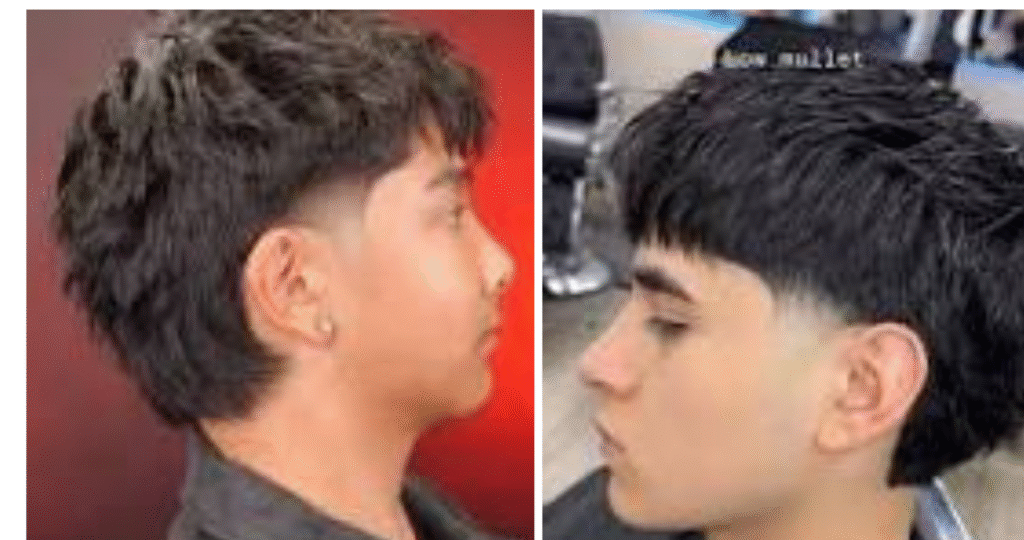
For those dipping their toes into the trend or who need to maintain a polished appearance for professional settings, there are several more conservative variations. The “Short Mullet Fade,” often called a “baby mullet,” is the perfect entry point. In this version, the back is kept just long enough to distinguish it from a standard fade, creating a subtle and sporty look that is office-appropriate but still edgy The “Modern Tapered Mullet” is another excellent option, featuring clean lines and a polished finish that allows men in corporate settings to express individuality without looking unprofessional A “Low Taper Mullet with a Subtle Fade” adds just a touch of sharpness to the edges, resulting in a clean and modern look that is stylish without being too bold These styles are often low-maintenance and versatile, proving that you don’t need a dramatic, flowing mane to embrace the mullet trend.
The Bold and Expressive
On the other end of the spectrum are the variations designed for those who want to make a serious statement. The “Long Flowing Back” is for the true trendsetter, with length that extends past the collarbones to create a sweeping, dramatic silhouette For those with curly hair, the “Curly Modern Mullet” is inherently bold, allowing natural texture to run wild while the taper keeps it neatly framed “Edgy Details” like shaved-in designs, zigzag fades, or sharp geometric patterns can transform a standard mullet into a true piece of art, showcasing a creative and fearless personality The popularity of these bolder styles is growing, especially among younger demographics, with barbers reporting a significant increase in demand for such custom designs Pairing the mullet with a well-groomed beard also creates a cohesive, rugged, and masculine look that is undeniably bold
The Textured and Creative
The low-taper mullet also lends itself beautifully to creative and highly textured variations. The “Burst Fade Low Taper Mullet” creates a rounded, dynamic fade around the ears, which works exceptionally well with thick or coarse hair to add an extra layer of visual interest A “Low Taper Mullet with a Middle Part” introduces symmetry and a modern, trendy look that has been rated as highly attractive “Textured Layers” in the mullet enhance depth and movement, making the cut more dynamic and reducing bulk in thicker hair Finally, the “Low Taper Mullet for Fine Hair” is designed to add volume and dimension where it’s needed most, creating an illusion of fullness and thickness The specific styling products you choose will also dictate the final look, from a matte, piecey finish to a more defined, textured appearance
The Art of Communication: Your Barber Consultation
Getting the perfect low taper mullet is a collaborative effort between you and your barber. It is an art form that requires clear and precise communication. Simply walking into a barbershop and saying “I want a low taper mullet” might not get you the exact result you have in your mind’s eye. This is because “mullet” is a broad term, and the “low taper” can be executed in countless ways. The key to a successful haircut is a thorough consultation where you articulate your vision and allow the barber to offer their professional advice based on your hair type and face shape. It’s about transforming a vague idea into a specific, achievable plan.
The most effective tool for this communication is visual references. Arrive at your appointment with several photos of the specific low taper mullet style you want Showcasing a range of images from different angles—the front, the side, and the back—can help your barber understand exactly what you’re looking for. Don’t just say “I want it like this guy”; specify the elements you like, such as the length of the back, the height of the top, the subtlety of the taper, and the overall texture. Furthermore, be open to your barber’s input. They are trained professionals who can advise on what will look best on you based on your hair’s density and texture A good barber will take your vision and fine-tune it to ensure it is flattering and achievable, making a significant difference in the final result.
The Practical Side: Styling and Maintenance
As we’ve established, getting the cut is only half the battle. To ensure your low taper mullet looks its best every single day, you need a solid styling and maintenance routine. Think of it as caring for a high-performance vehicle; it requires regular tuning and the right fuel to perform optimally. This part of the guide is where you transition from being a passive recipient of the haircut to an active participant in your own style. A few minutes of daily effort and a consistent schedule of upkeep will keep your low-taper mullet looking fresh, intentional, and effortlessly cool.
Essential Products for Texture and Hold
The modern low-taper mullet is defined by its texture. Without the right products, even the best cut can fall flat. The goal is to achieve a “lived-in,” effortless look that has volume and movement. To achieve this, you’ll need to build a small arsenal of styling products. A sea salt spray is arguably the most essential tool for this style. It adds natural grit, texture, and a matte finish, making the hair easier to shape and giving it that coveted beachy volume For straight hair, a texture powder is a game-changer, providing instant lift and a gritty feel at the roots
For definition and hold, a matte clay or paste is ideal. It provides a strong, flexible hold without the greasy shine of old-school pomades, allowing you to create “piecey” looks and defined layers Depending on your hair type, you might also want a leave-in conditioner for managing frizz and adding hydration to the longer back sections, especially if your hair is curly or wavy. The key is to use these products sparingly; start with a small amount and add more as needed to avoid weighing the hair down With the right mix, you can transform your haircut from “just out of the shower” to “editorial-ready” in minutes.
Mastering the Blow-Dry for Volume
Air-drying is rarely the best strategy for achieving the high-volume, textured look that defines the low taper mullet. The blow-dryer is your primary tool for building the architectural foundation of your style. The goal is to train the hair to stand up and away from the scalp, maximizing the contrast with the clean taper on the sides. One of the most effective methods is to flip your head upside down and blow-dry the roots in that position This forces the hair to dry in a lifted direction, giving it instant volume that lasts much longer than what you could achieve with product alone.
For a more directional style, use your fingers or a round brush to lifs t sections of the hair upward and slightly backward while directing the airflow from the roots to the tip This creates a sweeping, forward flow that is a staple of the modern look. Once you’ve achieved the desired height and shape, finish with a blast of cool air from the dryer’s “cool shot” button This thermal shock locks the hair cuticle in place and sets the volume, acting like a “hairspray” that doesn’t weigh the style down. This is a critical step for ensuring the style lasts throughout the day. It’s the difference between a style that collapses in an hour and one that stays bold.
The Maintenance Schedule
Maintaining the sharpness of a low-taper mullet requires a strategic and consistent schedule of barber visits, as the haircut involves opposing goals: one area is meant to be very short and precise, while another is meant to grow long. This means you cannot simply wait for one big trim every few months. The “taper” part of the style needs constant attention to retain its crispness, while the “mullet” part needs occasional shaping. A typical schedule involves visiting your barber every three to four weeks to have the taper cleaned up This is a quick appointment to sharpen the sides and neckline, preventing the look from becoming “fuzzy” or unkempt. As the taper is the element that gives the style its modern edge, letting it grow out too much is the fastest way to lose the haircut’s identity.
In contrast, the top and back should be left alone for much longer. You don’t want to chop off the length that gives the mullet its signature silhouette. A shaping appointment every six to ten weeks is usually sufficient to remove split ends and maintain a balanced shape This appointment will focus more on texturizing and layer management than on cutting off significant length. By following this dual-maintenance schedule, you can essentially “weed the edges” while letting the rest of the garden flourish, ensuring your low taper mullet always looks intentional and fresh. This approach prevents the dreaded “grown-out” phase and keeps your haircut at its peak performance.
In-Between Trim Tidy Tips
While you should always trust your barber for the heavy lifting, there are things you can do at home to keep your style looking sharp between visits. The most common issue is the appearance of “stray” hairs creeping down the neck or the sideburns beginning to puff out. Using a handheld mirror and a quality hair trimmer, you can safely clean up the very bottom of the neckline, clearing away fuzz that is starting to look messy It’s crucial to proceed with caution and not cut too high, or you risk ruining the gradient of the taper. A good rule of thumb is to only target the hairs that are clearly outside the main shape of the cut. If you’re unsure, it’s always better to wait for your barber.
Similarly, if your sideburns start to lose their tight shape, a quick touch-up with a detailer can restore the slim profile that makes the mullet pop. On the styling front, for those with waves or curls, the “air dry” strategy with a bit of salt spray can help maintain natural shape and prevent the sides from sticking out awkwardly as they grow By using your fingers to scrunch the hair while damp, you encourage the natural texture and help it grow in a more controlled, aesthetically pleasing way. These small, at-home tweaks are excellent for prolonging the life of your haircut and ensuring you always look your best.