If you consider yourself a pokedle answer Master, you’ve probably already heard of Pokedle. For the uninitiated, imagine the viral word-guessing sensation of Wordle, but instead of mundane five-letter words, you get to dive headfirst into the rich, nostalgic world of Pokémon. It’s a daily ritual that tests your knowledge of over a thousand creatures, forcing you to think about types, habitats, evolution stages, and even the specific shade of a Pokémon’s skin.
However, let’s be real for a second. We all have those mornings where our brains just won’t cooperate. You know you’ve seen that silhouette before, but the name sits right on the tip of your tongue. Maybe you are absolutely positive that the Pokémon in the Classic mode is a Water type, but the clues keep telling you you’re wrong. That’s where we come in. This guide isn’t just about spoon-feeding you the daily pokedle answer; it’s about transforming you into a better player. Whether you need a quick hint for February 19, 2026, or you want to master the art of deduction for future puzzles, consider this your official Pokédex for the game itself.
We’ll explore the nuances of each game mode, look at past trends, and provide you with a robust FAQ to clear up any confusion. So, grab your thinking cap, and let’s get solving.
What exactly is pokedle answer A Daily Brain Teaser for Trainers
pokedle answer takes the core loop of Wordle—making guesses and refining based on feedback—and applies a Pokémon skin to it. But to call it a simple clone would be a disservice. The game was created by the same mind behind LoLdle (the League of Legends version), and it has evolved into a multi-faceted challenge that appeals to both casual fans and hardcore Pokémaniacs.
Unlike the original Wordle, where you only have one puzzle per day, pokedle answer actually offers you four distinct challenges. This variety keeps the experience fresh. You might breeze through the Silhouette mode only to find yourself completely stumped by the Description mode. The game pulls from the vast history of the franchise, meaning you need to be familiar with everything from the original 151 Kanto starters to the more obscure creatures introduced in recent generations.
The primary allure of the game is its consistency. Every day at midnight (typically UTC or local time depending on your version), a new set of puzzles drops. This creates a shared experience among players worldwide. Social media feeds light up with people sharing their scores—those little colored emoji grids that show off a perfect first guess or a narrow escape on the last try. It’s a community built on shared knowledge and a love for Pocket Monsters.
The Four Pillars: Understanding the Game Modes
To consistently nail the pokedle answer, you first need to understand the battlefield. Each of the four modes tests a different part of your Pokémon knowledge. Playing just one mode is like only training your Pikachu and ignoring the rest of your party. Let’s break down each one so you know exactly what you’re up against.
Classic Mode: The Logic Gauntlet
This is the flagship mode, and the one most players associate with the term “pokedle answer.” You are tasked with guessing a Pokémon based on a set of specific criteria. After each guess, the game lights up a series of tiles in green, orange (or yellow), or red.
Green means your guess matches the target perfectly in that category. Orange indicates a partial match—this is crucial for dual-type pokedle answer. If you guess a Pokémon that is part Grass and part Poison, but the target is pure Grass, the type tile might show orange for a partial hit. Red, of course, means you are completely off base.
The categories usually include:
- Generation: Which of the nine generations does the Pokémon hail from?
- Type 1 & Type 2: The elemental affiliations.
- Habitat: Where it lives (Grassland, Cave, Sea, Urban, etc.).
- Color: The Pokémon’s dominant color in the Pokédex.
- Evolution Stage: Whether it’s a basic, stage 1, or stage 2 Pokémon.
- Height and Weight: Physical dimensions.
The key to victory here is using your first guess to eliminate as many possibilities as possible. Guessing “Pikachu” might give you info on Generation 1 and Electric type, but choosing a more complex Pokémon like “Charizard” can help you filter by Fire, Flying, and Generation 1 status simultaneously.
Silhouette Mode: The Shadow Game
Silhouette mode is a pure test of your visual memory. You are presented with a blacked-out shadow of a pokedle answer. Initially, it might just look like a blob. But if you look closely, the distinctive curves of a tail, the shape of ears, or a unique horn can give it away.
If you fail to guess correctly, the game provides a small mercy: the image zooms out slightly with each wrong guess, giving you a little more context. This mode relies on recognizing the negative space of creatures you’ve seen hundreds of times in the games and anime. That blob could be the round shape of a Jigglypuff or the geometric form of a Magnemite. Pay attention to the symmetry and any protruding features.
Description Mode: The Lore Master’s Challenge
This is arguably the toughest mode for casual fans. You aren’t given a picture or stats; you are given a text box straight out of a pokedle answer entry. It might describe the creature’s behavior, its habitat, or a unique quirk. pokedle answer
For example, if the text reads, “It has an extremely sharp sense of direction. It can unerringly return home to its nest,” you need to recall that this is a defining trait of Pidgey. These descriptions aren’t random; they are pulled directly from the main series games. This mode requires you to have actually read the Pokédex entries as you played through Pokémon Blue, Silver, or Sword. It’s a deep dive into the lore that makes the Pokémon world feel alive.
TCG Card Art: The Zoomed-In Enigma
Finally, we have the Trading Card Game mode. You are presented with a heavily blurred or zoomed-in image of a physical pokedle answer TCG card. With each incorrect guess, the image becomes a little clearer. This mode combines Pokémon knowledge with a touch of art history.
You might need to recognize the art style of a specific illustrator or recall a famous card from the Base Set or a more modern expansion. The blur often obscures the pokedle answer itself, so you have to look for background colors, the style of the energy symbols, or the shape of the card’s text box to narrow it down.
Decoding Today’s Pokedle Answer (February 19, 2026)
So, you’ve scrolled down because the suspense is killing you. You’ve tried a few guesses in Classic mode, and you’re drawing a blank on that tricky Silhouette. Don’t worry; we’ve got you covered. Keeping your daily streak alive is important, and sometimes a little nudge in the right direction—or the full answer—is necessary.
Based on the daily rotation for February 19, 2026, the community has verified the following solutions. Remember, these puzzles reset globally, so these are the exact Pokémon you need to complete today’s set.
Here is the breakdown of today’s solutions:
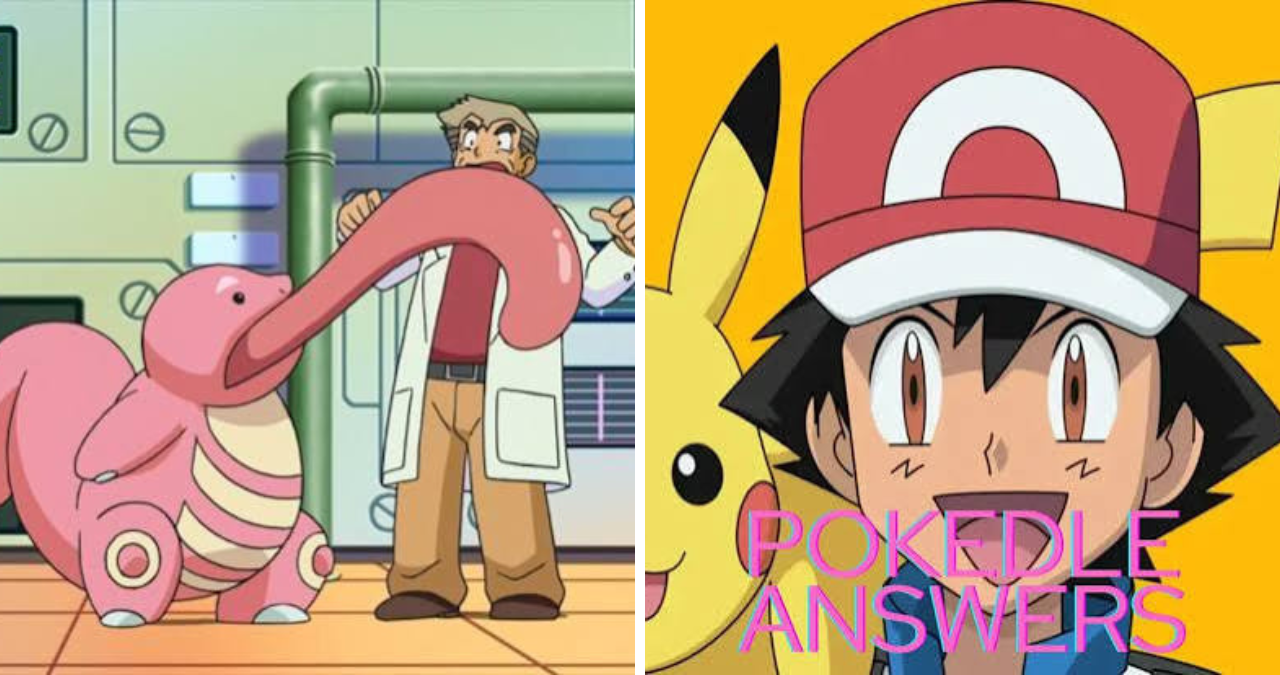
- Classic Mode: Lickitung
- Card Art Mode: Nidoqueen
- Description Mode: Pidgey
- Silhouette Mode: Diglett
If you were stuck on the Classic mode, the Normal-type Lickitung can be tricky because its pink color sometimes throws players off, making them think of Psychic or Fairy types. Similarly, Diglett’s silhouette is deceptively simple—just a brown blob with a nose—but once you see it, you can’t unsee it.
Why Guessing “pokedle answer” First is a Trap: Advanced Strategy Guide
Relying on a website for the daily pokedle answer is fine in a pinch, but there is a deep sense of satisfaction that comes from solving it on your own. To do that consistently, you need to move past random guesses and adopt a strategic methodology.
The first mistake many players make is leading with the most famous Pokémon. Pikachu, Charizard, and Mewtwo are fan favorites, but they are terrible first guesses in Classic mode. Why? Because they are too unique. Charizard tells you about Fire, Flying, and Generation 1, but it locks you into a very specific subset of creatures. You need a guess that casts a wide net.
Consider using a “filter” pokedle answer as your opener. A good filter is something with common types or a common habitat. For instance, guessing “Magikarp” is brilliant. If the Type 1 tile goes green, you know it’s a Water type. If it goes red, you’ve eliminated one of the most common types in the game. Furthermore, because Magikarp is infamous for being weak, its stats help you gauge the weight and height categories effectively.
Another pro-tip involves paying attention to the arrows next to the Generation indicator. In some versions of Pokedle, if you guess the wrong generation, the game doesn’t just tell you “no”—it tells you whether the correct answer comes from a generation before or after your guess. This is incredibly valuable data. If you guess a Gen 5 Pokémon and the game tells you the answer is from an earlier generation, you just eliminated hundreds of modern Pokémon from your mental list.
The Evolution of pokedle answer: From Wordle Clone to Community Staple
It’s fascinating to see how pokedle answer has cemented its place in the daily routine of gamers. When Wordle exploded in late 2021 and early 2022, the internet was flooded with clones. Most of them faded into obscurity. Pokedle survived because it wasn’t just a lazy reskin; it was a thoughtful adaptation that respected its source material.
The game taps into a unique blend of nostalgia and logic. Pokémon is one of the highest-grossing media franchises of all time, meaning its audience spans generations. A player in their 30s who grew up with Red and Blue can compete on a level playing field with a teenager who started with Sword and Shield, though their areas of expertise might differ. The older player might instantly recognize the cryptic pokedle answer based on a Gen 1 glitch, while the younger player can easily identify a Gen 8 newcomer by its silhouette.
This intergenerational appeal has turned Pokedle into a shared language. It’s common to see parents and kids playing together, debating whether a creature is “Indigo” or “Blue.” The game has evolved beyond a simple puzzle; it’s a daily celebration of 25+ years of Pokémon history.
Common Mistakes Players Make (And How to Avoid Them)
Even seasoned trainers fall into traps when hunting for the pokedle answer. Being aware of these common pitfalls can save you from breaking your keyboard in frustration.
Ignoring the Habitat: In the heat of the moment, players focus heavily on Types and Generations while glossing over the Habitat tile. This is a mistake. If the game tells you the Pokémon lives in the “Urban” habitat, you can immediately rule out every creature that only appears in caves or tall grass. In Generation 1, for example, the Urban habitat is relatively rare, belonging mostly to Pokémon like Meowth and Rattata.
Forgetting about Regional Variants: Pokedle often includes regional forms (like Alolan Meowth or Galarian Ponyta). If you guess a standard Meowth and the game tells you the color is wrong, don’t forget that the Alolan version exists and has a different color scheme. This adds a layer of complexity that catches a lot of players off guard.
Overthinking the Silhouette: Sometimes a shadow is just a shadow. In Silhouette mode, players often look for incredibly complex Pokémon when the answer is something simple like “Poke Ball-shaped” Voltorb. If the shape is perfectly round and featureless except for a button-like protrusion, stop looking for intricate legendary Pokémon and go back to the basics.
Comparison Table: Pokedle Modes at a Glance
To help you decide where to focus your energy or which mode might be your weakness, here is a quick comparison of the four daily challenges.
| Classic | Logical Deduction & Stats | Medium | Color-coded category tiles (Green/Yellow/Red) |
| Silhouette | Visual Recognition | Easy/Medium | Image zooms out with each wrong guess |
| Description | Lore Knowledge & Reading | Hard | Static text clue from the Pokédex |
| TCG Card Art | Attention to Detail | Medium | Blur reduces with each wrong guess |
This table shows that if you are a player who skipped all the dialogue and text boxes in the RPGs, Description mode is likely going to be your nemesis. Conversely, if you have a photographic memory, Silhouette mode should be a guaranteed win every time.
Voices from the Community
The Pokedle community is vibrant, and sharing the daily struggle is part of the fun. Here are some sentiments echoed by players across forums and guide sites regarding their quest for the pokedle answer:
“The Classic mode is like a logic puzzle. I love using Magikarp as my starter because it helps me filter out the Water types immediately. When that Type 1 tile stays red, I know I can stop thinking about the ocean and start looking at mountains.”
“I was stuck on the Pokedex entry for the longest time. The clue was, “It’s still not very good at walking.” I was thinking of crippled Legendaries, but it turned out to be Poliwag because it’s a tadpole! You have to think like a biologist, not just a trainer.
“The TCG Card art mode is my favorite. There’s something magical about seeing a blurry old-school illustration and recognizing it as the Base Set Charizard. It brings back memories of trading cards on the playground.”
Frequently Asked Questions
Q1: Where can I find the reliable pokedle answer every day?
There are several dedicated gaming sites and communities that update daily. Websites like Gfinity Esports, Simple Game Guide, and Sportskeeda often publish the solutions shortly after the daily reset. You can also join Pokémon subreddits or Discord servers where fans share their results. However, be wary of spoilers if you want to solve it yourself first!
Q2: What time does the new pokedle answer reset?
The reset time can vary slightly depending on the specific version of the game you are playing and your time zone. Generally, the game resets at midnight US Mountain Time (UTC-6) or around 06:00 UTC globally. It’s best to check the timer on the game’s main page, as it usually counts down to the next puzzle.
Q3: Does Pokedle include Pokémon from all generations?
Yes, for the most part. While early iterations of the game (and some specific puzzle modes on certain days) might restrict themselves to Generation I for simplicity, the full game includes Pokémon from all nine generations. This means you need to know your Lechonk from your Smoliv just as well as your Pidgey.
Q4: How does the color system work in Classic mode?
The color system is your primary tool. Green means your guess matches the target’s attribute exactly (e.g., both are Fire type). Orange or Yellow means your guess shares a partial attribute (e.g., your guess is part Grass/Poison, and the target is part Grass, so the Grass attribute is shared). Red means there is no match whatsoever in that category.
Q5: Why is the pokedle answer sometimes a regional variant?
Pokedle likes to keep players on their toes. Since Regional Variants (like Alolan Raichu or Galarian Weezing) are officially recognized forms of Pokémon in the games and Pokédex, they are fair game. Always consider that if the standard form doesn’t fit the color or type clues, the variant might.
Q6: Can I play the previous days’ puzzles?
The standard version of Pokedle is designed as a “daily” game, meaning you generally only get one shot at the current day’s puzzle. There isn’t usually an archive to go back and play old puzzles, which adds to the “fear of missing out” that keeps daily streaks alive. However, some fan-made spin-offs might offer practice modes.
Q7: What is the best first guess for someone new to the game?
For a beginner, the best first guess is a Pokémon you know very well. By starting with a favorite, you can at least understand why you got the clues right or wrong. Once you are comfortable, switch to a strategic guess like “Bulbasaur” (to check Grass/Poison and Gen 1) or “Magikarp” (to check Water type and low stats).
Q8: Is Pokedle available on mobile apps?
While there are Progressive Web App (PWA) versions that you can add to your mobile home screen for easy access, the primary way to play is through a web browser. There are also various clones on app stores, but the original is typically browser-based to maintain the daily, shareable format.
Conclusion: More Than Just a Daily Answer
In the end, the search for the daily puzzle answer is about more than just filling in a grid. It’s a daily appointment with a world we grew up loving. It’s a mental workout that exercises different parts of your brain—logic, memory, and visual perception—all wrapped up in a cozy blanket of 8-bit nostalgia.
Whether you need the answer because you’re truly stuck, or you’re just checking to confirm your own genius after solving it on your first try, we hope this guide serves as a valuable resource. Remember that the real joy isn’t just in getting the right answer, but in the journey of deduction. It’s in the “Aha!” moment when a cryptic description finally clicks, or when a shadowy figure reveals itself to be an old friend.
So, keep guessing, keep learning, and most importantly, keep having fun. The world of Pokémon is vast, and with Pokedle, there’s always a new challenge waiting for you tomorrow. Now go out there and catch those answers.